
A dripping faucet, a musty smell, or a hairline crack in the ceiling can seem too minor to worry about, but these small signals are often the first clues that a major home system is heading toward failure. Homeowners who catch these warning signs early save thousands of dollars and avoid the stress of emergency repairs. This article walks through the most common early symptoms tied to roofing, HVAC, plumbing, windows, and other core systems, so you know exactly what to watch for and when to act. Understanding these clues now can mean the difference between a simple fix and a full system replacement later.
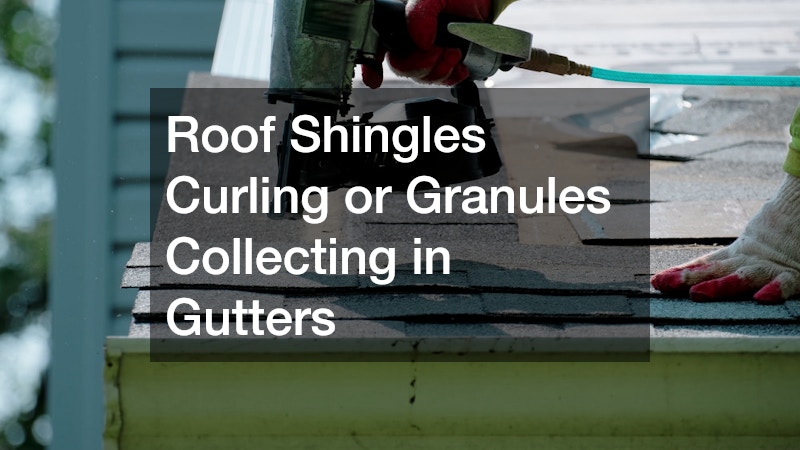
Roof Shingles Curling or Granules Collecting in Gutters
Your roof is designed to shed water and protect everything underneath it, so subtle changes in its surface should never be ignored. Curling, cracking, or blistering shingles indicate that the material is aging faster than it should, often due to heat exposure, poor ventilation, or the tail end of its expected lifespan. If you notice sandy granules piling up in your downspouts or at the base of your gutters, that is a sign the protective coating on your shingles is wearing away.
Left unaddressed, these small issues can lead to leaks, wood rot in the decking, and eventually a collapsed section of roof during a storm. A professional inspection focused on residential roofing can catch these problems while they are still cosmetic rather than structural. Scheduling a checkup every few years, or immediately after a major storm, is one of the simplest ways to extend the life of your roof.
- Shingles that look bald, cracked, or curled at the edges
- Granules collecting in gutters or at downspout exits
- Dark streaks or patches suggesting moisture retention
- Visible sagging along the roofline
- Daylight visible through the attic boards
HVAC Systems Making Unusual Noises or Cycling Too Often
Heating and cooling systems rarely fail without warning; they usually send small signals for weeks or months before a full breakdown. Rattling, squealing, or grinding noises often point to loose components, worn belts, or motor bearings that are close to giving out. If your system is turning on and off more frequently than usual, known as short cycling, it could mean a failing thermostat, a clogged filter, or a refrigerant issue.
For business owners, this is especially important because a sudden HVAC failure can shut down operations and frustrate customers or employees. Investing in commercial HVAC preventative maintenance allows a technician to spot worn parts, inspect refrigerant levels, and clean components before a small issue becomes an expensive emergency. Routine maintenance visits typically cost far less than emergency service calls, especially during peak summer or winter demand.
- Grinding, rattling, or squealing noises during operation
- Short cycling or inconsistent temperatures room to room
- Rising energy bills without a change in usage habits
- Weak airflow from vents throughout the building
- Musty odors suggesting mold growth in ductwork
Ceiling Stains and Musty Odors Signaling Water Intrusion
A small brown ring on the ceiling or a persistent musty smell in a closet is rarely just a cosmetic issue. These symptoms usually mean water is finding its way into your home through a compromised roof, siding, or window seal, and it is traveling further than you might expect. Left alone, hidden moisture can rot framing, damage insulation, and create the perfect environment for mold to spread behind walls.
If you notice these signs appearing near a sunroom addition, it is worth having the structure checked, since these rooms often have more glass and seams where water can sneak in. A qualified sunroom contractor can identify whether the issue stems from flashing, sealant failure, or drainage problems around the foundation of the addition. Catching this early prevents the need to tear out drywall, flooring, or insulation later.
- Brown or yellow rings on ceilings or upper walls
- Musty smells that return even after cleaning
- Peeling paint or bubbling drywall near windows or additions
- Warped wood flooring near exterior walls
- Visible mold spots in corners or along baseboards
Gutters Pulling Away or Overflowing During Light Rain
Gutters are an easy system to forget about until they visibly fail, but the early signs of trouble show up long before water starts pouring over the sides. Sagging sections, pulling away from the fascia board, or visible rust spots all suggest the system is no longer doing its job effectively. If you notice overflow during even a light rain, it usually means a clog or a pitch problem rather than an issue with the gutters themselves.
A reputable gutter business can inspect the slope, hangers, and downspout placement to determine whether a simple cleaning will solve the problem or if replacement sections are needed. Ignoring this issue allows water to pool near your foundation, which can lead to basement leaks, soil erosion, and cracked concrete over time. Seasonal cleaning, especially after leaves fall or storms pass through, keeps this system working as intended.
- Gutters sagging or separating from the roofline
- Water overflowing during moderate rainfall
- Visible rust, cracks, or holes along the gutter run
- Plants or grass growing in the gutter channel
- Pooling water or erosion near the foundation
Windows That Stick, Fog Up, or Let in Drafts
Windows are one of the most overlooked systems in a home, yet small changes in how they operate often point to bigger structural or energy problems. A window that suddenly becomes difficult to open or close may indicate that the frame has shifted or warped due to moisture damage. Condensation forming between double panes is a telltale sign that the seal has failed, which means the insulating gas has escaped and the window is no longer performing efficiently.
These issues do not just affect comfort; they also drive up heating and cooling costs as your HVAC system works harder to compensate. If you are noticing drafts, fogging, or difficulty operating multiple windows throughout the house, it may be time to consider window replacement rather than continuing to patch individual units. Newer models offer better insulation and can noticeably reduce monthly energy bills.
- Windows that stick, jam, or will not stay open
- Fog or condensation trapped between glass panes
- Noticeable drafts even when windows are closed
- Rotting or soft wood around the frame
- Rising energy bills tied to heating and cooling

Trees With Leaning Trunks or Dead Branches Near the House
Landscaping issues are easy to dismiss as purely aesthetic, but a leaning tree or a canopy full of dead branches can pose a real threat to your home’s structure and safety. Trees that grow too close to a house can damage roofing, gutters, and siding as branches rub against surfaces during windy weather. Root systems can also interfere with foundations, driveways, and underground pipes if left unmanaged for years.
If you notice a tree leaning more than it used to, shedding bark in large patches, or dropping branches without an obvious cause, it is worth having it evaluated before the situation becomes an emergency. Scheduling tree removal for hazardous trees before storm season protects your roof, vehicles, and family from the risk of a sudden fall. Waiting until a tree is visibly dying often means a much more expensive and complicated removal process.
- Noticeable leaning that has worsened over time
- Large dead branches or thinning canopy
- Fungus growth at the base of the trunk
- Roots visibly disrupting pavement or foundations
- Bark peeling away in large sheets
Slow Drains and Gurgling Sounds in Plumbing Systems
A slow-draining sink or a gurgling toilet might seem like a minor inconvenience, but these are often early warnings of a larger blockage forming somewhere in your plumbing system. Grease, hair, mineral buildup, and even tree roots can gradually narrow pipes until water has nowhere to go. When multiple fixtures in the house are slow to drain at the same time, it usually points to a clog deeper in the main line rather than an isolated issue.
Scheduling routine drain cleaning before a full blockage occurs can prevent backups, unpleasant odors, and potential water damage from an overflow. Professionals use tools like augers or hydro-jetting to clear buildup without damaging older pipes, which is far less invasive than the repairs needed after a burst line. Paying attention to slow drains now can save you from a much messier and costlier plumbing emergency later.
- Water draining slower than usual in sinks or tubs
- Gurgling noises coming from drains or toilets
- Recurring clogs despite regular cleaning
- Foul odors coming from drains
- Multiple fixtures backing up simultaneously
Commercial Roof Membranes Blistering or Ponding Water
Flat and low-slope roofs common on commercial buildings show wear differently than residential shingles, and business owners should know what to look for. Blistering, cracking, or bubbling in the membrane often signals trapped moisture or UV damage that will worsen with each passing season. Ponding water that sits for more than 48 hours after a storm is another red flag, since prolonged exposure weakens the membrane and accelerates leaks.
Because commercial roofs cover larger areas and protect valuable inventory or equipment, catching these issues early is critical to avoiding costly interruptions. Experienced commercial roofers can perform regular inspections, patch small membrane failures, and improve drainage before ponding becomes a chronic problem. A proactive inspection schedule is typically far more affordable than an emergency repair after a leak has already damaged the interior of the building.
- Blistering, bubbling, or cracking in the roof membrane
- Ponding water lasting more than two days after rain
- Visible seams pulling apart or lifting
- Rust or damage around rooftop equipment
- Interior ceiling stains on the top floor of the building

Preparing for Severe Weather Before It Strikes
Many homeowners only think about severe weather preparedness after a storm has already caused damage, but the smartest approach is to plan ahead. Warning signs like increasingly frequent severe weather alerts in your region or a home without a safe, reinforced space are worth addressing before disaster strikes. Communities in tornado or hurricane-prone areas especially benefit from having a dedicated safe room built to withstand extreme wind and debris.
Installing a storm shelter gives your family a reliable place to go during dangerous weather, rather than relying on an interior closet or bathroom that offers limited protection. These structures can be added to existing homes or incorporated into new construction, and many are built to meet FEMA safety standards. Taking this step now, rather than after a close call, ensures you are not scrambling to find safety when a warning is issued.
- Increasing frequency of severe storm warnings in your area
- No reinforced or below-ground safe space in the home
- Older homes without updated structural reinforcements
- Family members with mobility challenges needing extra evacuation time
- Living in a region prone to tornadoes or hurricanes
Cracked or Chipped Countertops Hinting at Kitchen Wear
Kitchen surfaces endure daily wear that can be easy to overlook until small damage becomes a bigger problem. Hairline cracks, chips near the sink, or dulling in high-use areas often indicate that a countertop’s sealant has broken down over time. This is particularly true for natural stone surfaces, which require periodic resealing to maintain their resistance to stains and moisture.
Homeowners with granite counters should watch for etching from acidic foods or dark stains that do not lift with normal cleaning, since these can signal that the protective seal needs to be reapplied. Addressing small chips quickly prevents water from seeping into the stone and causing deeper cracks over time. A simple resealing every one to two years keeps countertops looking new and functioning properly for decades.
- Hairline cracks appearing near the sink or edges
- Dull spots where the sealant has worn away
- Staining that does not lift with regular cleaning
- Etching marks from acidic foods or cleaners
- Rough or pitted texture developing on the surface
Small warning signs rarely stay small for long, and the cost of ignoring them almost always exceeds the cost of addressing them early. By paying attention to your roof, HVAC system, plumbing, windows, and outdoor landscaping, you give yourself the chance to make repairs on your own schedule rather than during an emergency. Take some time this week to walk through your home with this list in hand and note anything that looks even slightly off. A little vigilance now can protect your home’s value, safety, and comfort for years to come.