Maintaining a home in Chicago presents a unique set of challenges and opportunities. From enduring harsh, freeze-thaw winters to maximizing indoor comfort during the humid summer months, property owners constantly balance structural care with modern lifestyle enhancements. Managing a residence requires a proactive strategy that spans seasonal upkeep, structural safety, high-value interior remodeling, and sound financial planning. By taking a comprehensive approach to home management, you can protect your investment, lower operational costs, and create a functional, enjoyable space tailored to your family’s evolving needs.
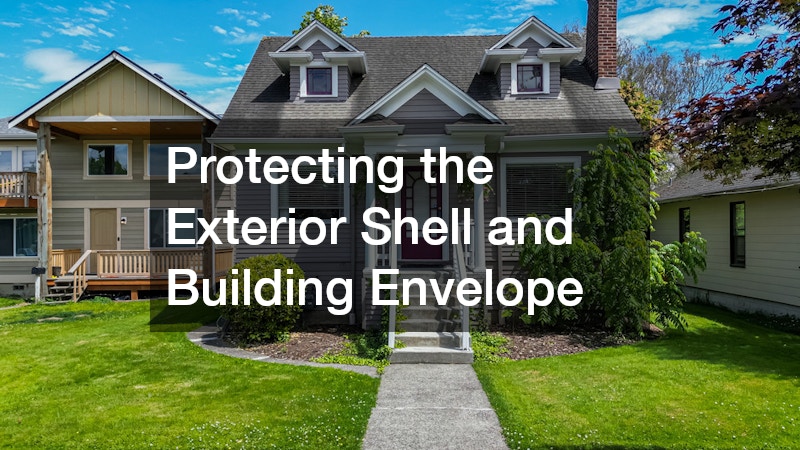
Protecting the Exterior Shell and Building Envelope
Every residence requires a secure, properly maintained enclosure to guard against weather damage, moisture infiltration, and energy loss. Taking the time to inspect and repair exterior elements before minor issues escalate into major structural problems is the single most effective way to safeguard your asset. When exterior surfaces, overhead structures, and entry points are routinely monitored, you prevent costly emergency repairs and ensure that your home remains energy efficient through every season. Protecting the envelope of your property also helps preserve the interior finishes, mechanical systems, and overall living environment.
Preventing Seasonal Storm and Water Damage
When severe seasonal storms roll across the region, high winds and freezing ice can quickly compromise the integrity of overhead structures. Heavy rain or melting snow will easily find any loose shingles, cracked seals, or damaged flashing, leading to internal water damage, compromised insulation, and mold growth inside attic spaces. Timely roof repair is vital for stopping leaks early, restoring thermal protection, and preventing structural timber rot. Addressing these exterior vulnerabilities promptly ensures that your home stays dry, safe, and fully protected against unpredictable Midwest weather cycles.
Upgrading Access Control and Entry Hardware
Home security is another fundamental aspect of exterior maintenance that property owners must prioritize to keep their households safe. Over time, original locking mechanisms can become worn down by continuous daily use or damaged during extreme cold spells, leaving entryways vulnerable to force or malfunction. Consulting a certified house locksmith allows you to upgrade outdated hardware, rekey existing cylinders after tenant or occupancy changes, and install high-security deadbolts across all perimeter doors. Modern locking solutions restore complete peace of mind, ensuring that your property remains private and thoroughly protected against unauthorized access.
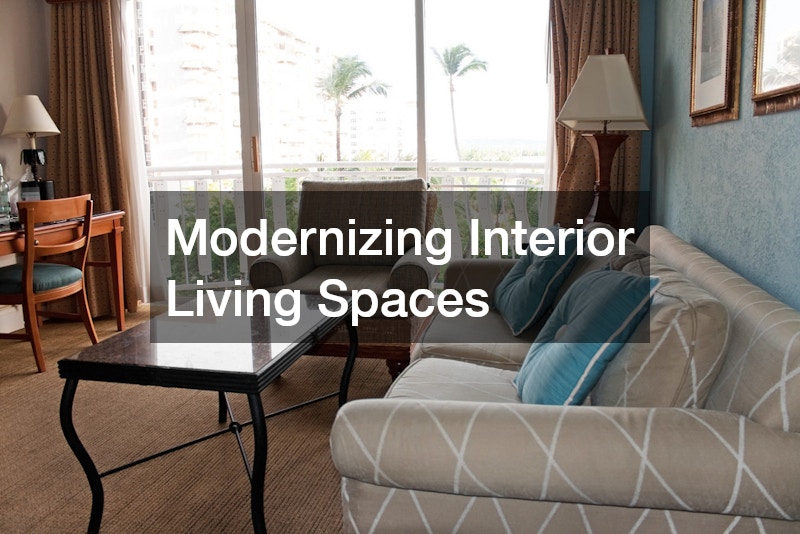
Modernizing Interior Living Spaces
Beyond basic structural protection, interior updates allow property owners to tailor their living environments to fit current trends, personal preferences, and functional demands. Modernizing key interior rooms not only enhances your daily quality of life but also yields significant returns in property value. By focusing on high-use areas such as kitchens, main living areas, and personal wellness zones, you can transform traditional layouts into contemporary, highly functional spaces that accommodate modern lifestyles.
Enhancing Comfort and Hygiene in Bathrooms
Bathrooms are among the most heavily utilized areas in any home, making them prime candidates for modern upgrades that enhance comfort, aesthetics, and water efficiency. Upgrading old fixtures, replacing outdated tile, and improving ventilation can eliminate persistent humidity issues while creating a clean, spa-like atmosphere. Engaging a professional bathroom remodeling service helps navigate complex plumbing configurations, water-proofing protocols, and custom tile installations seamlessly. A well-executed bath renovation converts a purely utilitarian space into a refreshing daily retreat while significantly increasing overall resale value.
Creating Private Health and Fitness Spaces
As health and personal wellness remain top priorities, more homeowners are reimagining underutilized basement or spare room space to support active lifestyles. Constructing a luxury home gym brings commercial-grade workout convenience directly into the comfort of your home, complete with custom shock-absorbing flooring, integrated sound systems, and climate controls. Tailoring this dedicated fitness area eliminates monthly membership fees and travel time, providing a private, motivating setting designed specifically around your personal health and fitness routines.

Maximizing Outdoor Living Spaces and Curb Appeal
While interior renovations and structural safeguards protect and personalize your indoor spaces, expanding your focus to the exterior property line unlocks a home’s full potential. Outdoor living areas have evolved from simple backyards into sophisticated extensions of the primary residence. Investing in modern hardscaping, functional outdoor amenities, and high-performance landscape design allows property owners to create versatile spaces for relaxation, dining, and entertaining—all while driving up overall curb appeal and resale value.
Designing Functional Patios and Exterior Amenities
Creating a seamless transition between indoor and outdoor environments begins with strategic patio and deck design. Utilizing durable, weather-resistant composite decking or natural stone pavers ensures that your outdoor floor space stands up to harsh freeze-thaw cycles without cracking or warping. Integrating multi-level seating areas, custom outdoor kitchens, and ambient LED landscape lighting transforms an underutilized yard into an inviting destination throughout the warmer months. For year-round functionality, adding built-in fire pits, patio heaters, or covered pergolas provides warmth and shelter, extending the usability of your outdoor retreat well into late autumn and early spring.
Implementing Sustainable Landscape Solutions
Beyond entertainment zones, prioritizing sustainable landscape architecture and exterior structural upgrades improves environmental resilience and lowers ongoing maintenance demands. Installing efficient, automated drip irrigation systems minimizes water consumption while keeping lawns and gardens healthy during summer droughts. Incorporating native plants and rain gardens around key perimeter zones aids in natural water absorption, reducing soil erosion and mitigating potential basement flooding issues caused by heavy seasonal downpours.
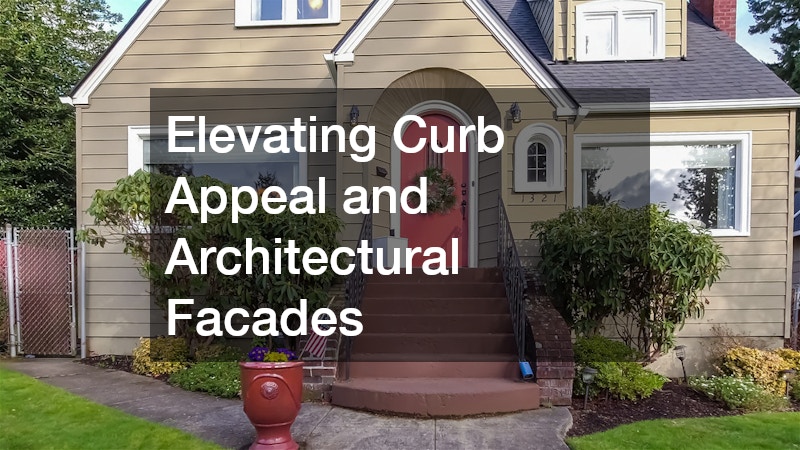
Elevating Curb Appeal and Architectural Facades
First impressions matter, and upgrading your home’s exterior elevation serves as the ultimate statement of pride in ownership. Refreshing garage doors, replacing outdated siding with fiber-cement panels, and installing modern architectural exterior lighting instantly elevates facade aesthetics. Upgrading entryways with custom steel or reinforced fiberglass doors not only sharpens architectural appeal but also boosts energy efficiency and security. By taking a holistic approach that bridges interior comfort, structural integrity, and thoughtful outdoor design, homeowners can maximize equity, enhance daily functionality, and enjoy a cohesive living experience both inside and out.
Expanding Footprints and Managing Major Renovations
As families grow or lifestyle demands change, original home footprints can begin to feel restrictive and crowded. Rather than facing the stress, high costs, and disruption of moving to a new property, many owners choose to reconfigure or expand their existing spaces. Major structural renovations require careful planning, clear architectural blueprints, accurate budgeting, and adherence to local municipal building codes to ensure that new construction integrates smoothly with the original building structure.
Executing Large-Scale Architectural Modifications
Executing large-scale updates, open-concept floor plan conversions, or structural modifications demands skilled craftsmanship and rigorous project management. Partnering with experienced home remodeling contractors ensures that all phases of construction, from initial architectural design to electrical and plumbing work, are completed safely and efficiently. These experts guide you through material selections, structural engineering checks, and permit acquisitions, turning complex design visions into reality while minimizing costly construction delays and unexpected surprises.
Building Ground-Up Structural Additions
When existing interior space cannot be expanded inward, expanding the overall building footprint outwards or upwards provides the ideal solution. Hiring qualified home addition contractors allows you to build out new master suites, expansive family rooms, or multi-story living areas that blend naturally with your home’s original architectural design. Professional builders assess foundation requirements, setback regulations, and roofline integrations to ensure that the new addition adds square footage, enhances curb appeal, and operates with maximum structural stability.
Optimizing Mechanical Systems and Indoor Comfort
Mechanical efficiency is critical for maintaining indoor air quality, managing monthly utility costs, and preserving comfortable temperatures year-round. Heating, ventilation, and air conditioning systems bear heavy operational loads during freezing winters and sweltering summer heatwaves. Keeping these complex mechanical units in prime working order requires regular maintenance, timely filter changes, and immediate professional intervention whenever performance issues or unusual noises arise.
Maintaining Peak Efficiency for Cooling Systems
When high temperatures and elevated humidity hit during the summer months, a malfunctioning cooling system can quickly render a home unlivable. Prompt ac repair restores proper airflow, fixes refrigerant leaks, and resolves electrical issues, ensuring that your cooling equipment operates at peak energy efficiency. Routine servicing prevents unexpected breakdowns during heat waves, lowers monthly electricity bills, and extends the overall operational lifespan of your mechanical equipment, keeping your family cool and comfortable when it matters most.
Improving Insulation and Thermal Control
Improving interior comfort also involves optimizing insulation, sealing drafty windows, and maintaining consistent humidity levels throughout every room. Thermal leaks around window frames and exterior doors force heating and cooling systems to run continuously, driving up utility expenses and creating uncomfortable temperature imbalances. Installing smart thermostats, upgrading to multi-pane windows, and adding insulation in attic spaces helps stabilize interior temperatures, reduce noise pollution from the surrounding neighborhood, and support a more sustainable, eco-friendly lifestyle.
Enhancing Garage Organization and Storage Efficiency
Garages often become catch-all spaces for vehicles, seasonal lawn equipment, tools, and household overflow, leading to clutter and inefficient floor usage. Transforming a cluttered garage into an organized, functional zone requires smart spatial design and durable storage installations. Maximizing vertical wall space and overhead clearance frees up floor area, making it easier to park vehicles safely while keeping tools and equipment accessible.
Utilizing Industrial-Grade Heavy Storage Solutions
In large residential garages, workshops, or multi-use storage areas, standard consumer shelving often lacks the strength and capacity required to hold heavy machinery, bulk items, or seasonal vehicle accessories safely. Installing heavy-duty steel pallet racking provides an industrial-grade storage solution that utilizes high vertical clearance, keeping heavy equipment off the floor and neatly organized. Custom structural shelving maximizes usable square footage, improves safety, and transforms chaotic utility areas into clean, organized, and highly functional workspace zones.
Streamlining Layouts with Targeted Storage Zones
Implementing clear storage categories, wall-mounted pegboards, and overhead racks allows homeowners to maintain order effortlessly. Grouping tools, gardening supplies, and sports equipment into dedicated zones prevents lost items and speeds up daily routines. Upgrading garage floor coatings with durable epoxy layers also protects concrete surfaces from road salt, oil stains, and moisture, turning a basic utility room into a clean extension of the main home.
Community Safety, Neighborhood Infrastructure, and Accessibility
Living in multi-family developments, homeowner associations, or private gated communities involves shared infrastructure and collective safety considerations. Community associations must continuously monitor vehicular traffic flow, parking access, and pedestrian safety within common residential areas. Investing in modern traffic management tools, clear signage, and automated access systems creates a safer environment for residents, children, and visitors while protecting property values across the entire neighborhood.
Controlling Traffic Flow and Perimeter Access
For residential developments, condominiums, and gated communities, managing incoming traffic and preventing unauthorized entry is critical for maintaining resident safety. Integrating an automated vehicle alert system for hoas alerts security personnel or property managers to approaching vehicles, streamlines resident entry, and deters trespassing. Modern electronic gate monitors and motion sensors improve overall neighborhood security, streamline traffic management, and provide residents with a quiet, safe, and controlled living environment.
Maintaining Shared Neighborhood Infrastructure
In addition to vehicular control, residential communities benefit greatly from well-lit walkways, clear speed limit enforcement, and accessible common facilities. Maintaining shared parks, clubhouse facilities, and sidewalk networks fosters a strong sense of community and keeps shared amenities looking attractive. When homeowner boards prioritize infrastructure upgrades and clear communication, the entire neighborhood enjoys enhanced safety, improved property values, and a cohesive living experience.
Financial Planning and Capital Strategies for Property Improvements
Executing large-scale residential upgrades, major additions, or unexpected emergency repairs requires sound financial strategy and clear capital planning. Homeowners must balance immediate project costs against long-term property equity, return on investment, and monthly budgetary constraints. Establishing a dedicated maintenance savings account helps cover routine upkeep, but major structural overhauls or expansions often call for specialized financing solutions to spread costs manageable over time.
Funding Large Projects Through Equity Financing
When planning extensive structural renovations, kitchen overhauls, or property expansions, leveraging home equity through tailored home loans provides the necessary capital to finance large-scale projects without depleting liquid emergency funds. Secured financing options, home equity lines of credit, and cash-out refinancing allow property owners to lock in competitive interest rates while reinvesting directly into the value of their real estate. Choosing the right financing path ensures that major renovation goals are fully realized while maintaining overall financial stability and long-term liquidity.
Establishing Project Budgets and Contingency Reserve Funds
Careful budgeting also involves obtaining detailed estimates from multiple licensed contractors, reviewing warranty coverage, and setting aside a contingency budget of ten to fifteen percent for unforeseen structural or mechanical complications. By pairing clear financial planning with high-quality material selections and professional installation, property owners protect their investments and maximize returns, ensuring that every dollar spent contributes directly to home value, functionality, and long-term comfort.
Successfully managing a home in the Chicago area requires a thoughtful combination of routine exterior protection, interior updates, mechanical maintenance, and sound financial management. By taking a proactive approach to roof upkeep, lock security, bathroom remodeling, home additions, and storage organization, you can solve immediate functional issues while building long-term equity. Whether you are executing a major addition, updating mechanical systems, or securing community entryways, investing in quality craftsmanship and strategic planning ensures that your property remains a safe, comfortable, and valuable asset for years to come.