Key Takeaways:
- Water damage is now one of the costliest homeowner claims, averaging around $20,000 nationally, with more than 70% of all homeowners insurance claims tied to weather events.
- Ice dams are a rapidly growing threat, not just a minor winter nuisance — Connecticut saw a 65% jump in service calls in 2026, with claims from a single storm averaging $30,000.
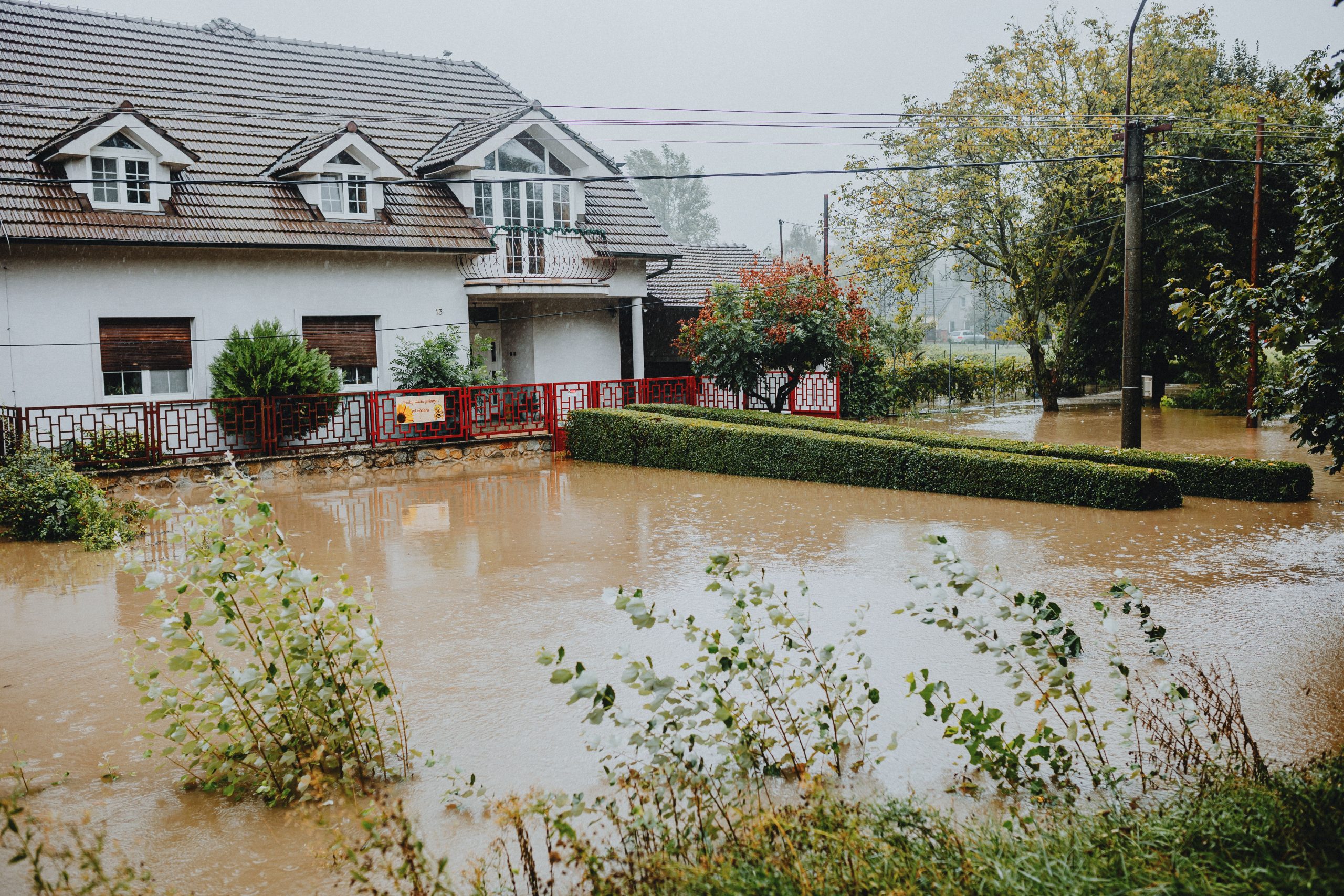
- Flash floods can strike fast, sometimes turning a light rain into home-invading water in under an hour, driven by heavier rainfall, saturated soil, and overwhelmed drainage systems.
- Neighborhood development can increase your flood risk even if your property has never flooded before, since new construction upstream changes how runoff moves through the area.
- Insurance typically covers sudden water damage from an ice dam, but not the cost of removing the dam itself, which is classified as maintenance — so documenting the event as it happens matters for claims.
- Prevention differs by region: coastal areas need to focus on drainage and elevation, colder climates need attic insulation and ventilation, and river valley or mountain regions need to watch for fast-moving snowmelt runoff.
- Simple, routine maintenance — gutters, insulation, sump pumps, and moisture sensors — prevents the vast majority of water damage, and acting quickly (within 24–48 hours) once water gets in is critical to avoiding mold.
Water doesn’t care what season it is. In the summer it shows up as a flash flood that turns your street into a river in under an hour. In the winter it shows up as a slow, sneaky drip behind your ceiling thanks to an ice dam you didn’t even know was forming. Different causes, same result: a soggy mess, a stressful insurance claim, and a repair bill you didn’t budget for. Whether you live somewhere that floods every spring or somewhere that freezes solid every January, the truth is the same — water damage is one of the most common (and most preventable) problems a homeowner will ever face. Let’s break down what’s actually happening out there right now, region by region, and what you can do about it before the next storm rolls in.
Why Water Damage Keeps Topping the List of Homeowner Headaches
It’s easy to think of water damage as a rare, unlucky event. The numbers tell a different story. A 2026 report on homeowners insurance claims found that water damage now carries an average claim severity of about $20,000 in the United States, putting it right up there with hail and fire damage as one of the costliest perils a policyholder can file for. That same analysis noted that more than 70% of all homeowners insurance claims are tied to weather in some way, meaning most of the damage families deal with isn’t caused by a freak accident — it’s caused by the sky doing what the sky does. What makes this stat worth paying attention to is the trend line underneath it. As storms get heavier and winters swing between deep freezes and sudden thaws, insurers are seeing claim severity climb rather than level off. A leak that used to soak a small patch of drywall can now mean a gutted ceiling, ruined insulation, and a mold remediation crew on speed dial. In other words, the cost of doing nothing has gone up, even if your home hasn’t changed at all.
The Ice Dam Crisis Nobody Saw Coming
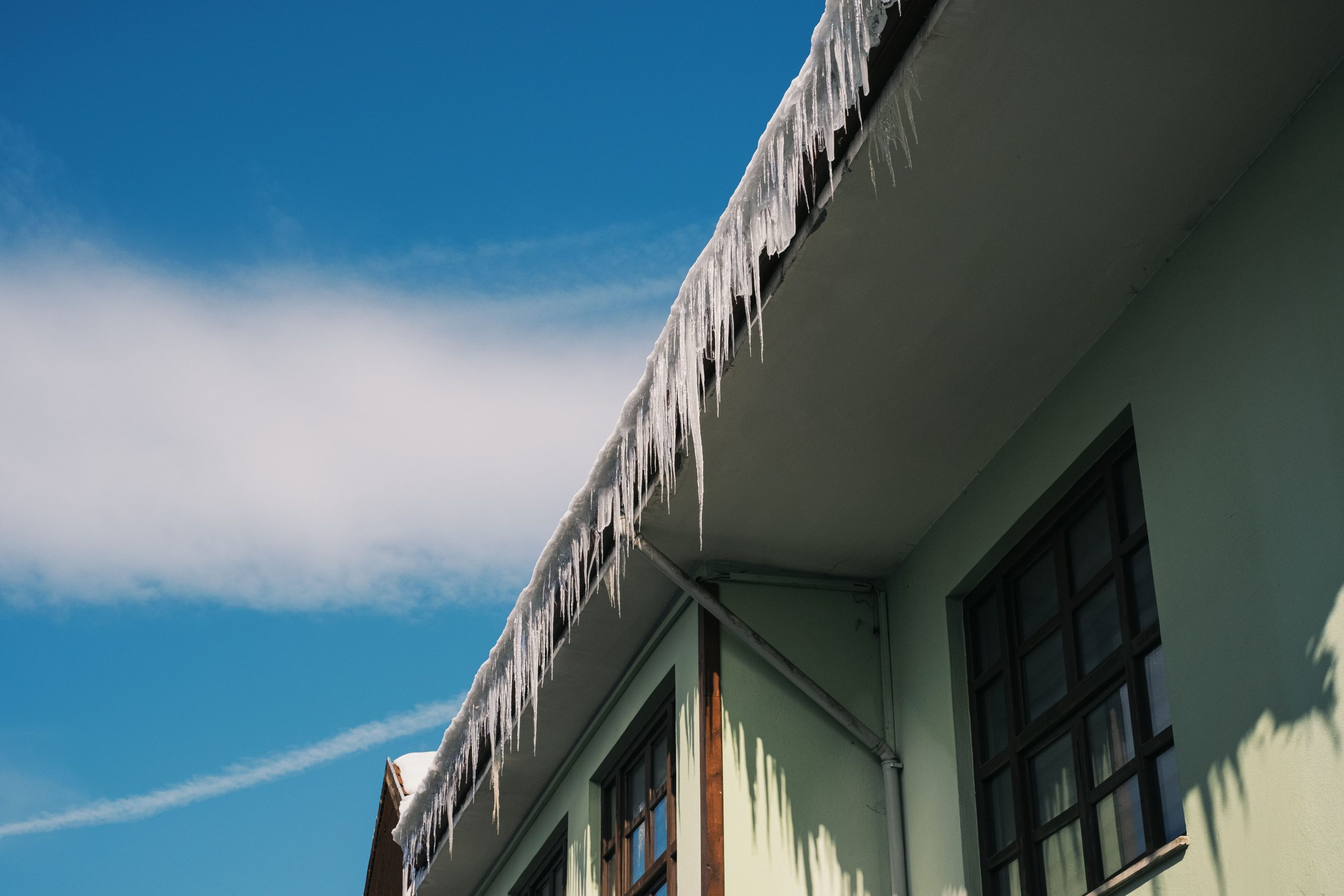
If you think ice dams are a minor nuisance, the 2026 winter season in Connecticut says otherwise. According to reporting compiled by RoofVista, roofing contractors across the state saw ice dam service calls jump 65% compared to recent winters, and State Farm — the state’s largest homeowners insurer — logged more than 200 ice dam-related claims from a single January 2026 storm alone, averaging roughly $30,000 per claim. Total winter water damage claims across all insurers in the state had already topped $5.6 million before the season even wrapped up. Why the sudden spike? A string of mild winters had lulled a lot of homeowners into skipping attic insulation upgrades and gutter maintenance. Then a harsher freeze-thaw cycle hit, and all that built-up neglect turned into ice dams forming almost overnight. It’s a reminder that “it hasn’t happened to me yet” isn’t a prevention strategy — it’s a countdown.
Flash Floods: When You Only Get Minutes to React
Flash floods are the fast, dramatic cousin of water damage. Unlike a slow leak, a flash flood can go from a light drizzle to water pouring through your front door in under an hour. That speed is exactly why flash floods are so dangerous and so damaging — there’s rarely time to move belongings, protect electronics, or even get sandbags in place. A few things make flash flooding worse than it used to be:
- Heavier rainfall events. Storms are increasingly dumping several inches of rain in just a few hours instead of spreading that rainfall out over a day or two.
- Overwhelmed drainage systems. Older stormwater infrastructure in many towns simply wasn’t built to handle today’s rainfall intensity.
- More impervious surfaces. Every new driveway, parking lot, and rooftop means less ground to soak up water naturally, so it runs off faster and pools where it shouldn’t.
- Saturated soil. After a few days of steady rain, the ground stops absorbing water altogether, so any additional rainfall becomes runoff almost immediately.
If you live near a floodplain, a creek, or even just at the bottom of a hill, flash flooding deserves a real prevention plan rather than a “we’ll deal with it if it happens” attitude. It’s also worth remembering that flash flooding isn’t limited to homes near obvious bodies of water anymore. Urban and suburban flash flooding, sometimes called nuisance flooding, is becoming just as common in neighborhoods that have never flooded before, simply because new construction upstream has changed how water moves across the land. A subdivision built a mile away can quietly redirect runoff straight toward your basement without you ever knowing it happened. That’s part of why local zoning changes and nearby development are worth paying attention to, even if your own property looks untouched on paper.
Ice Dams 101: How a Beautiful Snowfall Turns Into a Roof Problem
Ice dams form through a surprisingly simple chain reaction. Heat escapes from your living space into the attic, warming the underside of your roof. That warmth melts the bottom layer of snow sitting on the roof, and the meltwater trickles down toward the eaves. The problem is that the eaves usually sit past the heated part of the house, so they stay colder — and that meltwater refreezes right there, forming a ridge of ice. Snow keeps melting above it, water keeps backing up behind it, and eventually that trapped water has nowhere to go but up and under your shingles. Once water gets under the shingles, it can:
- Soak attic insulation, which tanks its effectiveness and can lead to mold
- Stain, bubble, or collapse ceiling drywall
- Damage interior and exterior walls
- Warp hardwood or laminate flooring below
- Rot roof decking and framing over time
- Rip gutters off the house under the sheer weight of the ice
The frustrating part is that most standard homeowners policies cover the sudden interior water damage caused by an ice dam, but they typically will not cover the cost of removing the ice dam itself, since that’s treated as routine maintenance. That distinction matters a lot when you’re filing a claim, so understanding it ahead of time can save you a headache later. It also helps to know that insurers generally draw a hard line between damage that happened suddenly and damage that built up gradually from neglect. That’s why documentation matters so much with ice dam claims. Photographing the ice dam itself, along with any active water intrusion, during the freeze-thaw event that caused it gives you the clearest possible case that the damage was sudden and accidental rather than the slow result of skipped maintenance. Homeowners who wait until spring thaw to notice water stains often have a harder time proving exactly when the damage occurred, which can complicate the claims process.
A Region-by-Region Look at What You’re Actually Up Against
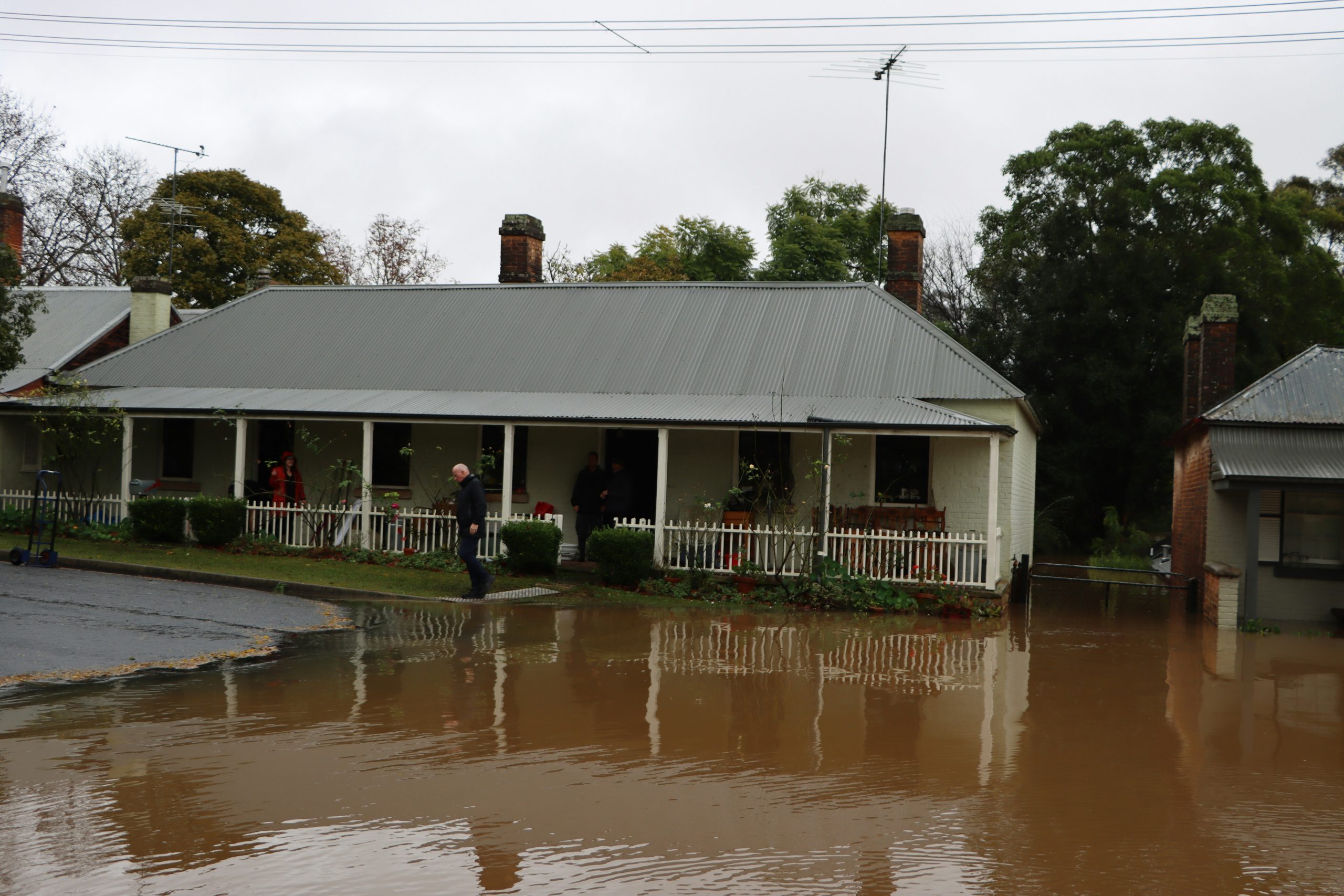
Water damage doesn’t hit every part of the country the same way, so your prevention plan should look different depending on where you live.
- Coastal and low-lying areas: Storm surge, hurricane rainfall, and rapid runoff are the main threats. Elevation of mechanical systems and reliable sump pumps matter most here.
- Midwest and river valley regions: Spring snowmelt combined with heavy rain can overwhelm rivers and creeks fast, so flash flooding from saturated ground is a bigger concern than coastal storm surge.
- Northeast and upper Midwest: Cold snaps followed by thaws are the perfect recipe for ice dams, especially on older homes with less attic insulation.
- Mountain and high-elevation regions: Rapid snowmelt during spring warm spells can send water rushing downhill fast, straining drainage systems that weren’t designed for it.
- Southern and Gulf regions: Intense short-duration downpours paired with flat terrain mean water often has nowhere to drain quickly, leading to street and yard flooding that seeps into homes at ground level.
No matter which category your home falls into, the fundamentals of prevention — drainage, insulation, and vigilance — apply across the board. It’s also worth checking in with neighbors or a local homeowners association if one exists in your area, since regional risks tend to show up in clusters. If several houses on your street have dealt with the same basement seepage or the same roof-edge ice buildup, there’s a good chance the cause is shared, whether it’s an aging municipal drainage system or a common roofline design across the neighborhood.
Practical Flash Flood Prevention You Can Actually Do This Weekend
You don’t need a construction crew to meaningfully lower your flood risk. Start with these:
- Clear gutters and downspouts so rainwater is directed well away from your foundation instead of pooling next to it.
- Grade the soil around your home so it slopes away from the foundation rather than toward it.
- Install a sump pump with a battery backup, since power often goes out during the exact storms when you need it most.
- Seal foundation cracks before they become an entry point for water under pressure.
- Elevate utilities like water heaters, furnaces, and electrical panels if your basement has ever taken on water before.
- Keep storm drains near your property clear of leaves and debris, especially before a forecasted heavy rain event.
- Know your flood zone and understand whether your homeowners policy actually covers flood damage, since standard policies typically exclude it and require a separate flood policy.
Practical Ice Dam Prevention Before the Next Freeze
Ice dams are almost entirely preventable with the right setup, and most of the fixes come down to controlling heat and airflow in your attic:
- Add or upgrade attic insulation so heat stays in your living space instead of leaking up and warming the roof deck.
- Improve attic ventilation with soffit and ridge vents to keep the roof surface temperature more consistent.
- Seal air leaks around light fixtures, attic hatches, and exhaust fans where warm air sneaks upward.
- Clean gutters before the first freeze so meltwater has a clear path to drain instead of backing up.
- Consider heat cables along the roof edge in regions with a history of severe ice damming.
- Rake snow off the roof edge after a heavy snowfall using a roof rake designed for the job, rather than climbing up yourself. A lot of these overlap with general home efficiency upgrades, which is a nice bonus — better insulation doesn’t just stop ice dams, it also lowers your energy bill.
Smart Tools That Catch Problems Before They Become Disasters
Prevention has gotten a lot easier thanks to affordable smart home tech. Water sensors that sit near water heaters, washing machines, and sump pumps can send an alert to your phone the second they detect moisture, often catching a slow leak days before it would have been noticed otherwise. Smart shutoff valves take it a step further by automatically cutting water supply to the house if a major leak is detected while you’re away. For colder climates, some smart thermostats can flag when attic or crawlspace temperatures dip into the range where pipes are at risk of freezing. None of this replaces good old-fashioned maintenance, but it does buy you time to react before a small problem becomes a five-figure claim. There’s also a growing category of exterior monitoring worth mentioning. Some newer gutter guards and downspout sensors can flag when debris is blocking water flow, which is especially useful heading into fall when leaves pile up fast and gutters get overlooked. Combine that with a basic weather app set to alert you ahead of heavy rainfall, and you’ve got a low-effort early warning system that costs a fraction of what a single flooded basement would cost to repair. The goal isn’t to turn your house into a surveillance project — it’s to remove the guesswork so small issues get caught while they’re still small.
Building a Maintenance Habit That Sticks
The homeowners who avoid the worst water damage aren’t necessarily the ones with the fanciest gadgets — they’re the ones who treat prevention as a routine rather than a one-time project. Walking the roofline after a storm, checking the attic before the first cold snap, and testing the sump pump every few months might feel like small, forgettable tasks, but they add up to real protection. Think of it as part of keeping your home in top shape year-round rather than a seasonal scramble whenever a big storm is in the forecast. A simple recurring calendar reminder for gutter cleaning, insulation checks, and drainage inspection can be the difference between catching an issue early and discovering it after the damage is already done.
Knowing When to Call in a Professional
Some things are worth DIYing, and some things aren’t. If you’re seeing recurring ice dams despite insulation upgrades, if water is actively coming through a ceiling or wall, or if your basement has flooded more than once, it’s time to bring in a professional. A roofing contractor can assess whether your attic ventilation and insulation are actually up to the job, and a water damage restoration company can make sure any moisture that already got in doesn’t turn into a mold problem down the line. Acting fast matters here — mold can start growing within 24 to 48 hours on wet materials, so the gap between “there’s water in my house” and “someone qualified is drying it out” should be as short as possible. When you do call in help, it’s worth getting more than one opinion for anything beyond a minor repair. Roofing and restoration estimates can vary widely depending on the contractor, and a second set of eyes can catch root causes that a quick patch job might miss, like inadequate attic ventilation or a grading issue that will just cause the same problem again next season. A good contractor should be able to explain not just what they’re fixing, but why the damage happened in the first place, so you’re not stuck repeating the same repair every year.
The Bottom Line
Flash floods and ice dams look nothing alike on the surface, but they share the same lesson: water damage is expensive, common, and largely preventable if you stay ahead of it. The data backs this up on both ends of the calendar — a $20,000 average water damage claim severity nationally, and a 65% jump in ice dam service calls with claims averaging $30,000 in one recent Connecticut storm alone. Whether you’re bracing for a summer downpour or a January deep freeze, a little routine maintenance now is a lot cheaper than a restoration crew later.