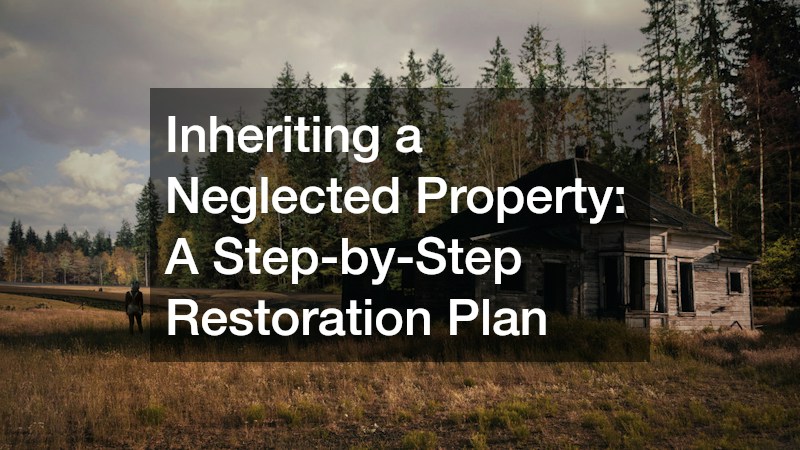
Most homes don’t fail all at once—they send warning signs long before a major problem appears. The challenge is that many of these signals are subtle, easy to ignore, or mistaken for minor inconveniences. A small leak becomes a major flood, a hairline crack turns into structural damage, and an inefficient system slowly drains your budget without obvious alarms.
This guide breaks down the most important warning signs across your home’s major systems. By learning what to look for early, you can avoid expensive repairs, reduce safety risks, and extend the life of your home’s most important components.
When Indoor Comfort Starts to Decline
Your heating and cooling system is one of the most important comfort systems in your home. When it starts to fail, the signs often appear gradually before becoming obvious, which is why many homeowners overlook them until performance drops significantly. Small inefficiencies tend to build over time, eventually affecting both comfort and energy costs in noticeable ways.
When airflow feels weak, uneven, or inconsistent between rooms, it often signals internal strain. Likewise, if your energy bills rise without a change in usage, your system may be working harder than necessary. This can be caused by clogged ductwork, failing components, or aging equipment that is no longer operating efficiently. At this stage, many homeowners begin considering professional ac repair before the issue escalates into a full system breakdown.
Common warning signs include:
- Rooms that never reach the set temperature
- Air that feels humid or stale even when running
- Strange rattling or buzzing noises during operation
- Short cycling (turning on and off frequently)
- Dust buildup increasing faster than normal
Additional issues often include uneven airflow between vents, longer cooling or heating cycles, and difficulty maintaining consistent indoor humidity. You may also notice that some rooms feel significantly warmer or cooler than others, indicating possible duct imbalance or system inefficiency.
A simple first step is to check and replace filters, but deeper issues typically require professional evaluation. Ignoring these signs can lead to compressor failure, frozen coils, or complete system breakdown during peak seasonal demand when repair availability is limited.
Early Signs of Roof Wear and Water Intrusion
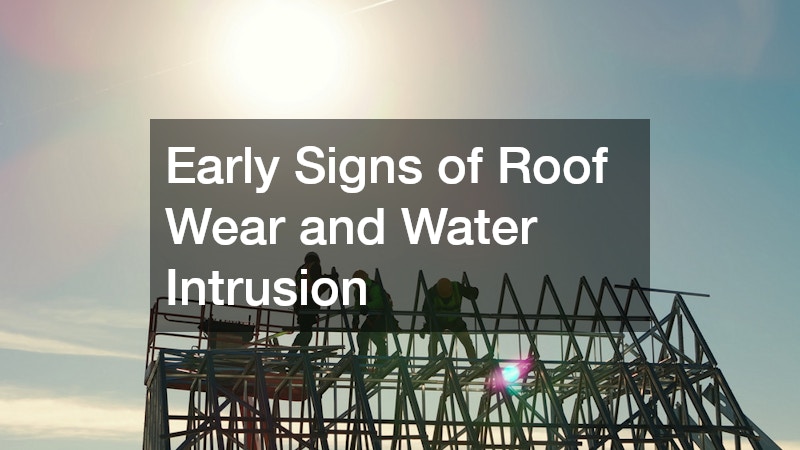
Your roof acts as the first line of defense against weather damage, and when it begins to fail, problems can spread quickly throughout the home. Because roof systems are constantly exposed to sun, wind, rain, and snow, even minor deterioration can accelerate over time.
One of the earliest warning signs is missing or damaged shingles. Even small gaps allow moisture to penetrate beneath the surface, where it can slowly damage insulation and wooden structural components. In many cases, homeowners don’t notice until interior stains appear, at which point contacting professional roofers becomes essential to prevent further damage.
Key indicators to watch for:
- Shingles that curl, crack, or fall off
- Dark streaks or patches on exterior roofing
- Moisture or mildew smell in attic spaces
- Water spots on ceilings after rainfall
- Sagging or uneven rooflines
Additional warning signs include deteriorating flashing around chimneys and vents, as well as granules collecting in gutters, which indicate aging shingles. Ice damming in colder months can also signal ventilation or insulation issues within the roof system.
If multiple symptoms appear at once, it often suggests that water intrusion has already begun beneath the surface. At that point, delaying inspection can lead to structural rot and costly interior repairs.
Foundation Movement and Basement Warning Signs
Problems below ground often develop slowly but can become some of the most expensive repairs if ignored. Because the foundation supports the entire structure of the home, even small shifts can affect walls, floors, and framing across multiple levels.
Cracks in basement walls or floors are often the first visible sign of shifting or settling. While small hairline cracks may be harmless, widening or expanding cracks can indicate ongoing structural movement. In more advanced cases, homeowners may need to consult masonry contractors to assess whether structural reinforcement or repairs are required before any cosmetic improvements are made.
Once the structure is stabilized, many homeowners also consider basement remodeling to create usable space and improve moisture resistance, but this should only be done after all foundational issues are resolved.
Water intrusion is another major warning sign. Even minor dampness can lead to mold growth, wood rot, and long-term weakening of structural materials. Moisture that returns after heavy rain or snowmelt should always be taken seriously.
Watch for:
- Horizontal or stair-step cracks in foundation walls
- Persistent damp or wet basement areas
- Uneven or sloping floors above basement spaces
- Doors and windows that suddenly stick or misalign
- Efflorescence (white powdery residue on walls)
Additional concerns include musty odors, condensation on basement walls, and visible gaps forming between floors and baseboards upstairs. These are often indicators that the foundation is shifting unevenly and placing stress on the home’s structure.
Plumbing Failures That Require Immediate Attention
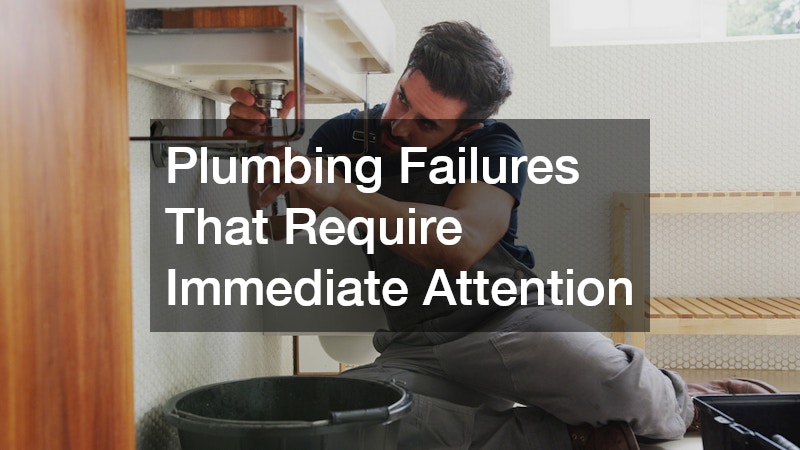
Plumbing systems are often hidden behind walls and under floors, which allows problems to grow unnoticed until they become severe. What begins as a small leak or clog can quickly escalate into widespread water damage affecting multiple areas of the home.
One of the most serious signs is a sudden drop in water pressure. This may indicate pipe leaks, internal blockages, or system-wide failure. Discolored water can also signal corrosion in pipes or sediment buildup breaking loose.
In urgent situations where leaks are active or spreading quickly, contacting an emergency plumber is critical to minimize damage and prevent flooding.
Warning signs include:
- Slow drains that repeatedly clog
- Unexplained wet spots on walls or ceilings
- Constant running water sounds when fixtures are off
- Sudden spikes in water bills
- Sewer odors inside the home
Additional symptoms may include gurgling drains, toilets that bubble when other fixtures are used, or water backing up into sinks and tubs. These issues often indicate deeper problems with the sewer or venting system that require professional diagnosis.
Exterior Surface Damage and Driveway Deterioration
Driveways and exterior surfaces are constantly exposed to environmental stress, including temperature fluctuations, vehicle weight, and moisture. Over time, this exposure leads to cracking, erosion, and surface instability.
Small cracks may seem cosmetic, but they often allow water to seep below the surface. When that water freezes, it expands, worsening the damage. As deterioration progresses, homeowners often consult driveway companies to determine whether resurfacing or replacement is needed.
Key warning signs:
- Expanding cracks or deep surface splitting
- Standing water after rain
- Loose gravel or crumbling edges
- Uneven sections creating trip hazards
- Fading or brittle surface texture
In more advanced cases, surface damage extends into the driveway’s base layers. When this occurs, more extensive restoration may be required, including professional asphalt services to rebuild structural integrity and improve drainage.
Electrical System Stress and Safety Risks
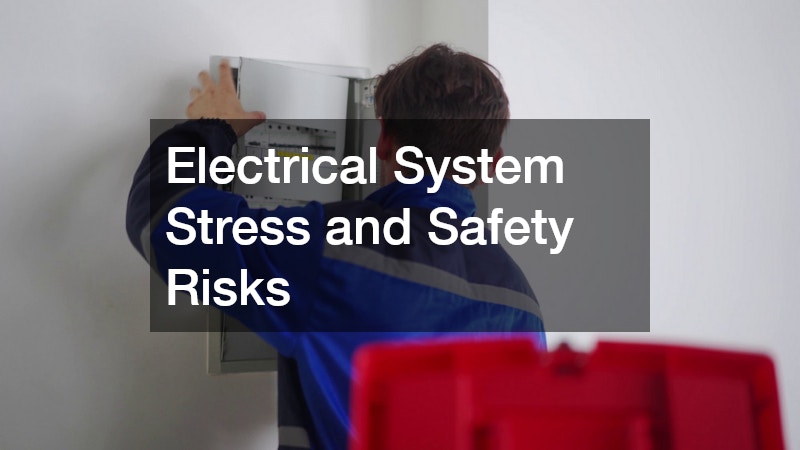
Electrical systems are among the most critical safety components in a home. When they begin to fail, warning signs often appear gradually but should never be ignored due to the risk of fire or electrical shock.
Flickering lights, warm outlets, and frequent breaker trips often indicate system overload or outdated wiring. At this stage, a certified electrician should evaluate the system to determine whether upgrades or repairs are necessary.
Be alert for:
- Burning or unusual odors near outlets
- Sparks when plugging in devices
- Outlets that stop working intermittently
- Overreliance on extension cords
- Flickering lights during appliance use
Older electrical systems may not be designed to handle modern energy demands, especially in homes with multiple high-powered appliances. Without proper upgrades, these systems can become increasingly unstable over time.
Outdoor Structure Wear and Safety Concerns
Outdoor structures are constantly exposed to weather conditions that accelerate wear and tear. Moisture, UV exposure, and temperature changes all contribute to material degradation over time.
Wooden components are especially vulnerable, often developing soft spots or structural weakness before visible damage appears. Loose boards or unstable railings can indicate serious safety concerns. In many cases, a professional deck builder is needed to evaluate whether repairs are sufficient or if full replacement is required.
Warning signs include:
- Loose or unstable railings
- Soft or spongy wood boards
- Visible mold or mildew growth
- Rusted fasteners or connectors
- Movement when weight is applied
Routine inspections help identify issues early, especially after harsh winters or heavy rainfall seasons. Catching problems early can significantly extend the life of outdoor structures.
Interior Flooring Problems You Shouldn’t Ignore

Flooring issues often develop slowly but can signal deeper structural or moisture-related problems beneath the surface. While cosmetic wear is expected over time, certain signs indicate more serious concerns.
Warping, buckling, and persistent squeaking often suggest moisture damage or subfloor instability. When these issues become widespread, homeowners typically rely on flooring contractors to determine whether repair or replacement is the best option.
Key indicators include:
- Soft spots when walking across floors
- Visible gaps between boards or tiles
- Uneven surfaces or height changes
- Persistent squeaks in multiple areas
- Discoloration or staining
Ignoring flooring issues can allow underlying damage to spread, potentially affecting adjacent rooms or the structural layers beneath the floor.
Managing Multiple Home Repairs Efficiently
When several systems in a home begin showing issues at the same time, it often indicates aging infrastructure rather than isolated problems. This is especially common in older homes where wear and tear accumulates gradually across plumbing, electrical, roofing, and structural components. Instead of one obvious failure, homeowners may notice a pattern of smaller issues emerging within a short period.
The key is prioritization. Safety-related issues should always come first, followed by damage prevention and cosmetic concerns. This approach helps ensure that urgent risks—such as leaks, electrical hazards, or structural instability—are addressed before they can escalate into more serious and expensive repairs.
A helpful approach includes:
- Identifying urgent safety risks first (electrical, water leaks)
- Grouping similar issues for efficiency
- Scheduling inspections before committing to repairs
- Tracking recurring issues over time
- Addressing root causes instead of symptoms
Beyond this list, it’s also important to consider timing and coordination. For example, scheduling multiple inspections in the same timeframe can help reduce service costs and provide a clearer understanding of how different systems may be connected. In many cases, what appears to be unrelated damage in different areas of the home can actually stem from a single underlying issue, such as moisture intrusion or foundation movement.
Many homeowners make the mistake of addressing only visible damage. However, underlying causes often remain unresolved, leading to repeated issues. This reactive approach often leads to a cycle of short-term fixes rather than long-term solutions, which can increase overall repair costs over time.
Taking a coordinated approach helps reduce long-term costs and prevents overlapping damage between systems. It also allows homeowners to plan repairs strategically, prioritize high-impact improvements, and extend the lifespan of multiple home systems by addressing problems at their source rather than treating symptoms individually.
When Small Fixes Are No Longer Enough
There comes a point where minor repairs no longer solve the underlying issue. Recognizing this shift is key to preventing further damage, especially in homes with interconnected systems. What may start as an isolated inconvenience can gradually evolve into a pattern of recurring failures that signal deeper structural, mechanical, or environmental problems that temporary fixes simply cannot resolve.
One of the biggest risks is delaying professional help while attempting repeated small fixes. This often leads to higher long-term costs and more extensive repairs later. For example, patching the same leak multiple times without addressing the source can result in hidden water damage behind walls or under flooring, eventually requiring full material replacement instead of a simple repair.
Another common issue is that homeowners become accustomed to “band-aid” solutions. This can mask the severity of a problem and allow it to spread unnoticed. Over time, this may affect adjacent systems or areas of the home, turning a localized issue into a widespread repair project.
Consider escalation when:
- The same issue keeps returning after repairs
- Multiple systems begin failing simultaneously
- Damage spreads beyond the original area
- Repairs become more frequent and less effective
- Safety concerns begin to emerge
Additional warning signs include noticeable declines in system performance, unusual sounds or odors that persist after repair, and visible deterioration that continues even after maintenance work has been completed. At this stage, issues are often interconnected rather than isolated, meaning one failing component may be triggering stress in another part of the home.
While DIY maintenance is valuable for upkeep, complex or recurring problems usually indicate deeper system failure. Addressing these early with professional support helps preserve the integrity and value of the home, reduces the risk of emergency repairs, and prevents small issues from evolving into major structural or system-wide failures that are far more costly and disruptive to resolve later.
A home rarely shows major damage without warning. More often, it communicates through small but consistent signals—changes in comfort, structure, performance, or appearance. Learning to recognize these early indicators gives homeowners a major advantage in preventing costly repairs and maintaining long-term safety.
By paying attention to how your home behaves and responding early, you can avoid emergencies, extend the life of key systems, and protect your investment with confidence.