A small leak, a clogged gutter, or a cracked driveway rarely feels urgent on its own, but left unchecked these minor issues compound into repair bills that stretch into the thousands. Most homeowners don’t have a system for catching problems before they escalate, which means small fixes often get discovered only after they’ve caused real damage. A property-wide maintenance sweep, done seasonally, gives you a structured way to inspect every major system before it fails.
This guide walks through the key areas worth checking, room by room and system by system, so you can budget for small fixes instead of scrambling for large ones.
Inspect Your Plumbing System Before Small Leaks Become Big Problems
Plumbing issues are among the most expensive surprises a homeowner can face, largely because they happen out of sight until water damage forces the issue into the open. A slow drip under a sink or a hairline crack in a supply line can quietly rot subflooring and promote mold growth for months before anyone notices. By the time stains appear on a ceiling or floorboards start to warp, you could be looking at a repair bill in the thousands rather than the cost of a washer or a few feet of tubing.
Make it a habit to walk through your home every few months and check the areas most prone to trouble: under sinks, around the water heater, near the washing machine hookup, and anywhere exposed supply lines run through a basement or crawlspace. Look for discoloration, warped wood, or a faint musty smell, all of which can signal a leak long before you see standing water. Gently tug on supply line connections and inspect flexible hoses for bulging, cracking, or corrosion, since these are common failure points that are inexpensive to replace proactively.
It’s also worth testing your water pressure with an inexpensive gauge that screws onto an outdoor spigot. Pressure above 80 psi puts unnecessary strain on pipes, fittings, and appliance hoses, accelerating wear that can lead to sudden ruptures. If your reading is consistently high, a pressure-reducing valve is a relatively small investment compared to the water damage a burst line can cause. Finally, know where your main shutoff valve is and confirm it still turns freely, since a stuck or corroded valve can turn a minor leak into a frantic, high-stakes scramble. Testing it once a year takes only a minute but can save precious time in an actual emergency.
Before you call in a professional, do a quick walkthrough of your own. Check under every sink for moisture or mineral buildup, look at the base of your water heater for pooling water, and peek at exposed pipes in the basement or crawlspace for white or greenish crust, a telltale sign of a slow leak. Keep an eye on your water meter, too: if it keeps ticking while every fixture in the house is off, you likely have a hidden leak somewhere in the line. If you notice rusty water, unusual noises in the pipes, or a sudden spike in your water bill, it’s worth calling a plumber before the issue worsens.
A water bill that jumps 15% or more without a clear explanation, like filling a pool or extra laundry, is a common early warning sign that professionals say shouldn’t be ignored. A professional can pressure-test your system and identify weak points that aren’t visible during a casual walkthrough, including hairline cracks inside walls or under slabs. Most plumbers recommend a full inspection every one to two years, or annually if your home is more than 25 years old and still has its original galvanized or copper piping.
Catching a failing valve or a corroded joint early often costs a few hundred dollars at most, a fraction of what it takes to repair the drywall, subflooring, and possible mold remediation that follows a burst pipe. Given that a single burst pipe can easily run into thousands of dollars in water damage repairs, the inspection fee is cheap insurance against a far costlier emergency.
- Check under every sink and around toilet bases for soft or discolored flooring, plus a musty smell that often signals a slow, hidden leak
- Test water pressure at multiple fixtures with an inexpensive gauge (normal range is 40-60 psi); readings outside this range can point to pipe corrosion or a failing regulator
- Listen for banging or gurgling sounds that suggest trapped air, water hammer, or vent blockages
- Inspect exposed pipes in basements and crawl spaces for condensation, rust, or white mineral buildup at joints
- Look for mineral deposits or small stains at every visible fitting and connection, which often precede a full pipe failure
- Know the location of your main shutoff valve and test it once a year, since valves that sit unused can seize shut during an actual emergency
- Keep a flashlight and adjustable wrench near the shutoff so you can act fast if a pipe bursts overnight
Schedule Water Heater Checks on a Predictable Timeline

Water heaters tend to fail without warning, and when they do, the resulting flood can damage flooring, walls, and anything stored nearby. Most tank units last between eight and twelve years, but sediment buildup and a failing anode rod can shorten that lifespan considerably if the unit isn’t flushed regularly. An annual inspection of the tank, fittings, and pressure relief valve can reveal corrosion or leaks long before a full failure occurs.
When a replacement becomes necessary, proper water heater installation matters just as much as the unit itself. A poorly installed heater can lead to inconsistent temperatures, venting problems, or even safety hazards related to gas lines and electrical connections. Budgeting for professional installation up front is far cheaper than paying for repairs caused by a rushed or improper setup.
- Flush the tank annually to remove sediment buildup
- Check the pressure relief valve for proper function
- Watch for rusty water or a popping sound, both signs of sediment accumulation
- Inspect the area around the unit for moisture or pooling water
Keep HVAC Systems Running Efficiently Year Round
Heating and cooling systems represent one of the largest investments in any home, and neglecting routine maintenance is one of the fastest ways to shorten their lifespan. Dirty filters, clogged condensate lines, and worn belts all force the system to work harder, which increases energy bills and accelerates wear on expensive components. A seasonal checkup catches these issues before they turn into a full system breakdown.
Many homeowners wait until the system stops working entirely before calling for help, but HVAC contractors generally recommend servicing units twice a year, once before summer and once before winter. These visits typically include checking refrigerant levels, inspecting electrical connections, and cleaning coils that collect dust and reduce efficiency over time. A technician can also flag early signs of compressor strain or duct leaks that homeowners rarely notice on their own.
- Replace air filters every one to three months depending on usage
- Clear debris and vegetation from around outdoor condenser units
- Have ductwork inspected for leaks that waste conditioned air
- Schedule professional tune-ups before peak heating and cooling seasons
Address Cooling System Problems Before Peak Summer Demand
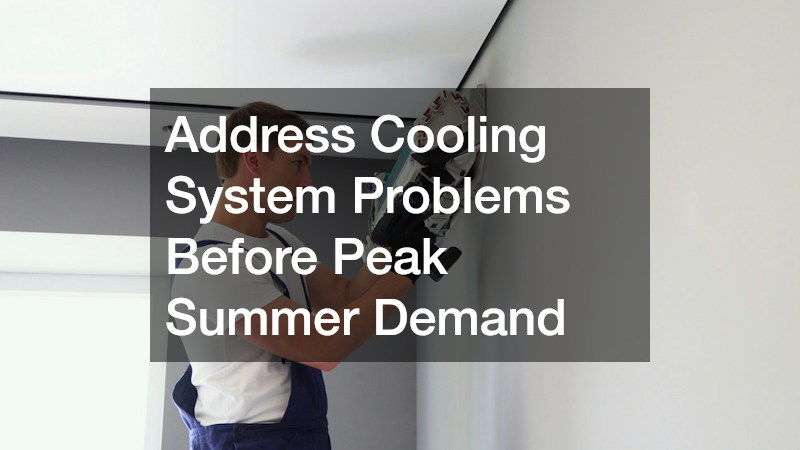
Air conditioning units tend to fail during the hottest stretch of the year, which is precisely when demand on HVAC companies is highest and wait times are longest. A unit that’s struggling to keep up, cycling on and off frequently, or blowing warm air is signaling a problem that will only get worse under heavy summer use. Catching these warning signs in spring, before the heat arrives, gives you more flexibility in scheduling and often prevents a minor fix from becoming a costly breakdown.
Timely AC repairs are almost always cheaper than emergency replacements, especially when the issue is something manageable like a refrigerant leak or a failing capacitor. Ignoring strange noises or reduced airflow for too long can put additional strain on the compressor, which is the most expensive component to replace. A pre-season inspection is a small expense compared to the cost of a full system failure in July.
- Listen for grinding, squealing, or clicking sounds during operation
- Monitor for weak airflow or inconsistent temperatures between rooms
- Check for ice buildup on the evaporator coil
- Address rising energy bills promptly, as they often signal declining efficiency
Manage Yard Debris and Disposal During Seasonal Cleanups
A thorough property sweep often uncovers more debris than a weekly trash pickup can handle, especially after storm damage, a major landscaping project, or years of accumulated clutter in a garage or shed. Trying to haul away broken fencing, old lumber, or yard waste piece by piece wastes time and often leaves the job half finished. Renting roll off containers for a weekend gives you the capacity to clear everything at once, which makes it far easier to actually complete a full property inspection without debris blocking access to key areas.
Having a dedicated container on site also encourages homeowners to finish projects they might otherwise postpone, like clearing out a crawl space or removing an old deck. This matters because debris left sitting against siding or foundation walls can trap moisture and attract pests, turning a cosmetic issue into a structural one. Clearing the yard completely also makes it easier to spot the kind of staining, settling, or cracking that signals deeper problems.
- Choose a container size based on the scope of the project, not just guesswork
- Clear debris away from foundation walls and exterior siding
- Separate yard waste from construction debris when required by local haulers
- Schedule pickup promptly to avoid lingering piles that attract pests
Spread Mulch and Control Weeds to Protect Landscaping Beds

Landscaping maintenance is often treated as purely cosmetic, but overgrown beds and untreated weeds can cause real structural issues over time, especially when roots grow too close to foundations or irrigation lines. A property-wide sweep should include a close look at mulch beds, garden borders, and any area where vegetation touches the house directly. Refreshing mulch not only improves moisture retention but also acts as a barrier against erosion along foundation edges.
Effective weed control is about more than appearance, since aggressive root systems can crack walkways, invade drainage pipes, and compete with desirable plants for water and nutrients. Many homeowners find it efficient to use bark blowers for large-scale mulch application, since manual spreading across a big property can take an entire weekend and often results in uneven coverage. A well-maintained landscape bed also makes it easier to spot soil erosion or drainage problems that could otherwise go unnoticed until they affect the foundation.
- Refresh mulch annually to maintain a two- to three-inch layer
- Pull or treat weeds before they go to seed to limit spread
- Keep mulch several inches away from siding and foundation walls
- Inspect garden beds for signs of pooling water after heavy rain
Reduce Mosquito Breeding Grounds Around Standing Water
Standing water anywhere on a property, whether in a clogged gutter, an unused flowerpot, or a low spot in the yard, creates breeding conditions for mosquitoes within days. Beyond the obvious discomfort, a heavy mosquito population can make outdoor living spaces unusable for much of the summer and may even affect property value if the problem becomes visible to guests or potential buyers. A property-wide sweep should include checking every spot where water can collect after rain.
Professional mosquito removal services can treat breeding areas directly and apply barrier treatments that last several weeks, which is often more effective than relying on sprays and citronella candles alone. These treatments are particularly useful for properties near wooded areas or standing water features like ponds and rain gardens. Combining professional treatment with regular yard maintenance, such as clearing gutters and emptying containers, offers the most reliable long-term control.
- Empty and scrub birdbaths, flowerpot trays, and buckets weekly
- Clean gutters regularly to prevent pooling water
- Keep grass trimmed short, since tall grass holds moisture longer
- Consider professional barrier treatments before peak mosquito season
Check Driveways and Walkways for Cracks and Drainage Issues

Asphalt and concrete surfaces take a beating from temperature swings, heavy vehicles, and tree roots, and small cracks that seem cosmetic can widen quickly once water seeps in and freezes during colder months. A property sweep should include a close look at driveways, walkways, and any paved area for signs of pooling water, alligator cracking, or sunken sections. These issues tend to worsen fast once moisture gets underneath the surface layer.
Sealing small cracks early is far less expensive than a full driveway replacement, and timely asphalt paving repairs can extend the life of a surface by several years. Homeowners often wait too long because the damage looks minor, not realizing that water infiltration is undermining the base layer beneath the surface. A professional assessment can determine whether a simple seal coat will suffice or whether deeper structural repair is needed.
- Seal cracks as soon as they appear, ideally before winter
- Watch for pooling water, which signals poor drainage or settling
- Avoid heavy vehicle loads on surfaces showing signs of stress
- Schedule resurfacing before cracks spread into the base layer
Evaluate Fencing Condition for Safety and Longevity
Fencing takes on a surprising amount of wear from wind, moisture, and ground shifting, and a loose post or rusted hardware can compromise the entire structure’s stability over time. A full property sweep should include walking the perimeter and checking each section for leaning, gaps, or signs of corrosion at the base where posts meet the ground. Catching these issues early prevents a minor repair from turning into a full fence replacement after a storm.
For homeowners considering a long-term upgrade, aluminum fence installation offers a durable alternative to wood or chain-link options, since it resists rust and requires minimal upkeep compared to materials that need regular painting or staining. It’s a worthwhile option to weigh during a maintenance sweep if existing fencing is showing its age. Even newer fences benefit from periodic hardware checks, since loose bolts and shifting posts are often the first sign of a larger structural issue.
- Check posts for leaning or looseness at the base
- Inspect hardware for rust or corrosion at least once a year
- Look for gaps or damage that could allow pets or children to wander
- Compare material options based on local climate and maintenance tolerance
Conclusion
Running through this kind of property-wide sweep once or twice a year takes a weekend, but it can save you from facing a four-figure repair bill that arrives without warning. Start with the systems most likely to cause widespread damage, like plumbing and HVAC, then work your way out to the yard, driveway, and fencing. Keep a simple checklist from year to year so you can track recurring issues and catch patterns before they become expensive. The upfront effort is minor compared to the cost and stress of emergency repairs.