
A burst pipe at midnight or a furnace that quits during a cold snap has a way of turning an ordinary evening into a crisis. When multiple things go wrong at once, or your budget cannot stretch to fix everything immediately, knowing what to tackle first becomes essential. This guide walks you through how to recognize genuine emergencies, separate them from problems that can wait, and make smart, informed decisions under pressure. The goal is to protect your home, your family, and your wallet without feeling overwhelmed.
Recognizing a True Plumbing Emergency

Not every leaky faucet demands an after-hours call, but certain plumbing situations can cause serious structural and health damage if ignored. Water pooling near electrical outlets, sewage backups, or a pipe that has burst inside a wall are all situations that require immediate plumbing repair rather than a wait-and-see approach.
Other red flags include a complete loss of water pressure throughout the house, water actively dripping from ceiling fixtures, or a persistent sulfur smell that often signals a sewer line problem. Toilets that overflow repeatedly despite plunging, or multiple drains backing up at once, also point to a larger issue than a simple clog.
The longer water sits, the more likely you are to face mold growth, warped flooring, or damaged drywall. Even a slow leak behind a wall can soak insulation and framing within 24 to 48 hours, turning what might have been a minor repair into a costly renovation project.
Understanding the warning signs before they escalate can save you thousands of dollars in secondary damage. A slow drip today can become a flood tomorrow if the underlying pipe is corroded or under stress, especially in homes with galvanized steel plumbing over 40 years old.
Watch for subtle clues: a sudden spike in your water bill, faint musty odors near walls or floors, or a hissing sound behind a wall when no fixtures are running. Each can signal a hidden leak long before visible damage appears, sometimes days or weeks in advance.
- Water stains spreading across ceilings or walls, especially ones that grow within hours or feel soft/spongy to the touch
- Sudden drops in water pressure throughout the house, which can signal a hidden pipe burst rather than a single clogged faucet
- Gurgling sounds coming from drains, particularly when running water in one fixture causes bubbling in another (a sign of a main line blockage)
- Musty odors near sinks, tubs, or crawl spaces that persist even after cleaning, hinting at hidden moisture or mold growth behind walls
- Unexplained spikes in your water bill—a jump of 20% or more with no change in usage often points to a slow, unseen leak
- Standing water pooling around the water heater, washing machine, or under sinks, which can indicate a failing supply line
- No water coming from any tap, suggesting a main line failure rather than a localized fixture problem
Spotting Roof Damage Before It Spreads
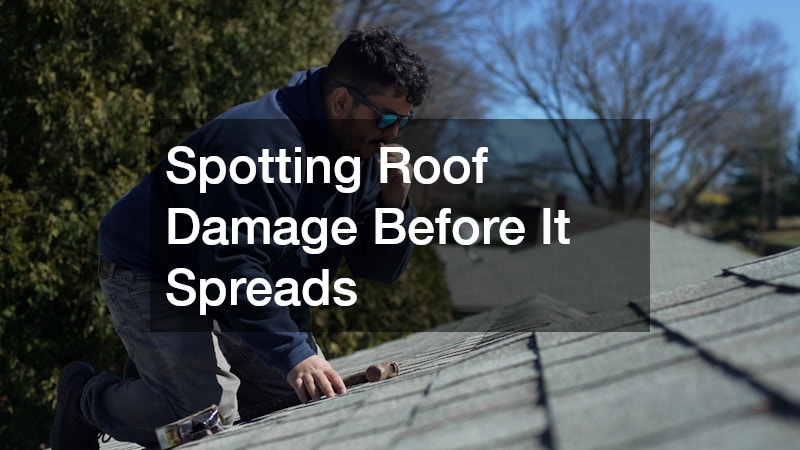
Roofing problems rarely announce themselves loudly at first, which is exactly why they become expensive. Missing shingles, curling edges, or granules collecting in gutters are early clues that your roof is losing its protective barrier. A few dark, sandy grains in the downspout might seem trivial, but they signal that shingles are breaking down and losing the coating that shields your home from UV rays and moisture.
Other warning signs are easy to miss from ground level. Daylight visible through attic boards, sagging rooflines, dark streaks from algae growth, or soft spots underfoot all point to trouble brewing beneath the surface. Even a musty smell in upper rooms can indicate slow-building moisture damage long before a visible leak appears indoors.
Waiting too long can turn a simple patch job into full roofing replacements, especially after severe storms or hail events that compromise large sections at once. A single damaged shingle might cost under a hundred dollars to fix, but neglecting it for a season or two can lead to rotted decking, insulation damage, and interior drywall repairs that multiply the bill several times over.
Scheduling a professional inspection twice a year, ideally in spring and fall, helps catch these issues while they’re still minor. Many roofers will do this assessment free of charge, since it often leads to smaller, more predictable repair work rather than emergency replacement calls down the line.
Bringing in a qualified roofer for an inspection after any major weather event—hailstorms, high winds, or heavy snow loads—is one of the smartest moves a homeowner can make. A trained eye can catch soft spots, flashing failures, or ventilation issues that are invisible from the ground but can lead to leaks and structural rot over time. Even a seemingly minor event, like a windstorm with gusts over 50 mph, can lift shingles just enough to break their seal without causing visible damage from the street.
A thorough roof inspection typically covers several key areas: shingle granule loss, cracked or curling tiles, rusted or lifted flashing around chimneys and vents, and signs of moisture in the attic such as dark staining or a musty smell. Roofers also check soffit and ridge vents to confirm airflow is adequate, since poor ventilation can trap heat and moisture that quietly warp decking and shorten a roof’s lifespan by years.
Homeowners should aim to schedule an inspection at least once a year in addition to post-storm checks, ideally in spring or fall before extreme temperatures set in. Many roofing companies offer free or low-cost inspections, making this a low-risk way to catch a $200 flashing repair before it turns into a $10,000 interior water damage claim.
- Daylight visible through attic boards, especially near the ridge or eaves, signals gaps big enough for water and pests to enter
- Sagging rooflines or uneven surfaces, even a dip of an inch or two, often point to weakened decking or rotting support beams
- Dark streaks or moss buildup on shingles, particularly on north-facing slopes, trap moisture and accelerate shingle decay
- Granules collecting in gutters or downspouts indicate shingles are wearing thin and losing their protective coating
- Frequent leaks around chimneys or skylights usually trace back to cracked flashing or deteriorated sealant, not the roofing material itself
- Curling, cracked, or missing shingles after storms warrant a closer inspection, since even a few damaged spots can let water seep into the underlayment
- Musty odors or visible mold in upper rooms may mean hidden roof leaks have been active for weeks before symptoms show elsewhere
When Heating and Cooling Systems Stop Working
A home without reliable heating or cooling is not just uncomfortable, it can be genuinely dangerous depending on the season. Indoor temperatures above 90°F or below 60°F for extended periods put real stress on the body, and that stress compounds quickly for infants, the elderly, and pets who can’t regulate their temperature as efficiently as healthy adults. In peak summer or winter, a full HVAC failure can turn a house unlivable within a day, making prompt HVAC repair a priority rather than an afterthought.
Certain warning signs mean you shouldn’t wait for a scheduled tune-up. Strange noises like grinding, banging, or high-pitched squealing often point to failing motors or belts, while weak airflow can signal a clogged filter, a failing blower, or a refrigerant leak. A system that short-cycles, turning on and off every few minutes, wastes energy and puts extra wear on the compressor, often shortening the unit’s overall lifespan.
Other red flags worth acting on quickly include a sudden spike in utility bills, thermostat settings that no longer match the actual room temperature, and any burning smell coming from vents. Each of these can be an early indicator of an electrical fault or mechanical breakdown that will only get more expensive to fix the longer it’s ignored.
Furnaces in particular tend to fail at the worst possible moments, often during the coldest nights of the year when demand on the system peaks and every component is under maximum strain. Warning signs like strange banging or rattling noises, a burner flame that burns yellow instead of blue, short-cycling, or a noticeable drop in airflow usually appear days or even weeks before a complete shutdown.
Scheduling local furnace repairs at the first sign of trouble, rather than waiting for a total breakdown, gives technicians a better chance to fix the issue before you are left without heat entirely. It also tends to be far less expensive: a $150 service call to replace a worn igniter or clean a clogged flame sensor is a much smaller hit than an emergency after-hours visit or a full system replacement running into the thousands.
Timing matters too. Furnace technicians are booked solid during the first hard freeze of the season, so calling in late fall or at the earliest hint of inconsistent heating can mean the difference between a next-day appointment and a multi-day wait with space heaters as your only backup.
- Uneven heating or cooling between rooms, often signaling failing ductwork, a struggling blower motor, or a unit that’s undersized for the space
- Rising energy bills without a clear explanation, especially a jump of 20% or more over a similar period last year
- Frequent short cycling of the system, where it turns on and off every few minutes instead of running full cycles
- Burning smells or unusual noises from vents, such as rattling, grinding, or a persistent electrical odor
- Weak or inconsistent airflow from vents, which can point to a clogged filter, blocked ducts, or a failing fan
- Thermostat readings that don’t match actual room temperature, suggesting sensor issues or miscalibration
Protecting Your Home’s Exterior Shell

The siding on your house does more than affect curb appeal, it acts as a barrier against wind, moisture, and pests. Cracked, warped, or loose panels allow water to seep behind the exterior wall, which can lead to hidden rot long before you notice any visible damage inside. Experienced siding contractors can identify these vulnerabilities early and recommend whether a partial repair or a full replacement makes more financial sense.
Ignoring damaged siding often costs more in the long run because moisture intrusion tends to spread quietly. A small section of buckled siding today could mean replacing insulation and framing tomorrow if left unaddressed.
- Visible gaps, cracks, or holes in panels
- Peeling paint or wallpaper on interior walls
- Increased drafts near exterior walls
- Warping or bubbling siding material
Keeping Your Water Supply Running Smoothly
Homeowners relying on a private well know that water access depends entirely on a functioning pump system. Sudden drops in water pressure, sputtering faucets, or a complete loss of water flow are strong indicators that well pump repairs are needed right away. Because wells often serve as the sole water source for a household, this type of failure tends to move quickly to the top of any repair priority list.
Regular maintenance checks can catch early warning signs like unusual cycling or strange noises from the pressure tank before a full breakdown occurs. Addressing minor issues early is almost always less expensive and less disruptive than dealing with a complete pump failure.
- Air spitting from faucets
- Cloudy or sediment-filled water
- Pump running constantly without shutting off
- Unusual humming or grinding sounds from the well system
Addressing Garage Door Safety Concerns
A malfunctioning garage door is more than an inconvenience, it can pose a genuine safety hazard for anyone entering or exiting the home. Doors that stick, reverse unexpectedly, or fail to close completely often signal worn springs, misaligned tracks, or sensor problems. Prompt garage door repairs help prevent the door from becoming a security risk or, worse, causing injury to someone standing underneath.
Because garage doors are heavy and operate under significant tension, this is one repair area where amateur fixes can be particularly risky. Recognizing the signs early and calling in a professional keeps the repair manageable rather than letting a small issue turn into a costly replacement.
- Door reverses before fully closing
- Loud grinding or scraping noises during operation
- Visible gaps or unevenness when the door is closed
- Slow or delayed response to remote or keypad commands
Watching for Warning Signs of Structural Movement
Foundation problems tend to develop slowly, which makes them easy to dismiss until the damage becomes severe. A hairline crack that seems cosmetic today can widen to a quarter-inch or more within a year, especially after heavy rain or a dry spell that causes soil to shift. Cracks that run diagonally across walls, doors that suddenly stick in their frames, or floors that feel uneven or bouncy underfoot are all signals worth taking seriously.
Other warning signs include gaps forming between walls and ceilings, windows that no longer open smoothly, and visible separation where the chimney meets the house. Homeowners should also watch for horizontal cracks in basement walls, which often indicate pressure from expanding soil rather than simple settling. Even small changes, like a countertop pulling away from the backsplash, can point to shifting beneath the structure.
Because the foundation supports the entire structure, foundation repairs should never be delayed once clear signs of movement appear. Waiting even six months to a year can allow a manageable fix, such as epoxy injection or minor pier adjustments, to escalate into a full foundation replacement costing tens of thousands of dollars. Bringing in a structural engineer early can help distinguish between cosmetic settling and genuine structural risk.
Cracks that appear overnight, doors and windows that suddenly stick, or gaps forming between walls and ceilings are all early indicators that a home’s foundation may be shifting. Hairline cracks under 1/8 inch are usually cosmetic and common in homes settling normally, but cracks wider than 1/4 inch, especially those running diagonally or in a stair-step pattern along brick or block, often signal more serious movement. Sloping floors, bowing basement walls, or a chimney pulling away from the house are additional red flags that shouldn’t be ignored.
Environmental factors like soil erosion, poor drainage, or extreme temperature swings can all accelerate foundation issues. Homes built on expansive clay soil are particularly vulnerable, since these soils swell when saturated and shrink dramatically during dry spells, putting repeated stress on the foundation. Gutters that dump water too close to the home, grading that slopes toward the house instead of away, and nearby tree roots drawing moisture from the soil can all compound the problem over time.
A professional assessment can determine whether the problem is cosmetic or a sign of deeper structural stress that requires immediate attention. Structural engineers can use tools like laser levels, crack monitors, and moisture meters to track whether movement is active or has already stabilized. Catching these warning signs early often means the difference between a simple patch job and a full foundation underpinning project costing tens of thousands of dollars.
- Diagonal cracks near windows or doors, especially wider than 1/8 inch or extending in a stair-step pattern through brick or drywall
- Gaps between walls and ceilings, or where walls meet the floor, that widen over several months
- Doors or windows that stick, no longer latch, or swing open on their own
- Visible tilting or sinking in specific areas of the home, such as sloped floors or a leaning porch
- Cracks in the foundation itself, particularly horizontal ones, which often signal more serious pressure than vertical cracks
- Bulging or bowing basement walls, a sign soil pressure may be pushing against the foundation
- Nail pops or cracks appearing along drywall seams in multiple rooms at once, suggesting the whole structure is shifting rather than a single wall settling
Maintaining Safe and Functional Outdoor Surfaces

While driveways and walkways might seem like a lower priority compared to indoor systems, neglecting them can lead to safety hazards and costly damage. Potholes, deep cracks, and crumbling edges create tripping hazards and can damage vehicles over time. Timely asphalt repair prevents small surface issues from expanding into larger structural problems that require complete resurfacing.
Weather plays a significant role in how quickly outdoor surfaces deteriorate, particularly in regions with freeze-thaw cycles. Addressing cracks before winter sets in can prevent water infiltration that expands and worsens damage once temperatures drop.
- Standing water pooling in low spots
- Cracks wider than a quarter inch
- Crumbling or loose edges along the pavement
- Visible potholes forming in high-traffic areas
Building a Practical Priority System for Multiple Repairs
When several problems surface at once, it helps to think in terms of safety, cost escalation, and daily livability rather than tackling issues in random order. Start by asking whether a problem threatens health or safety, then consider whether delaying it will make the eventual fix more expensive. This simple framework helps homeowners avoid decision paralysis when facing a long list of needed repairs.
Creating a written list with rough cost estimates and urgency levels can also make conversations with contractors more productive. Having this information ready allows you to get accurate quotes faster and avoid unnecessary emergency service fees.
- Rank issues by safety risk first
- Consider which problems worsen quickly if delayed
- Factor in seasonal timing, such as heating issues before winter
- Get multiple quotes before committing to major work
- Keep an emergency fund set aside for unexpected failures
Home systems rarely fail on a convenient schedule, but a clear strategy for evaluating urgency can turn a stressful situation into a manageable one. By learning to recognize warning signs early and understanding which problems carry the greatest risk if ignored, you put yourself in a stronger position to protect your home and your budget. Take time now to walk through your own property with this checklist in mind, rather than waiting for an emergency to force the issue. A little preparation today can prevent a much bigger headache tomorrow.