
Preserving the long-term integrity, efficiency, and comfort of a private residence requires an intentional approach that unites core exterior defenses with internal living spaces. A modern home operates as an interconnected ecosystem where overhead barriers, hidden utility lines, climate networks, and foundation perimeters continuously interact. When regular wear begins to compromise the structural shell or mechanical systems, minor issues can quickly multiply across the property. Unaddressed roof leaks, restricted climate airflow, or concealed drainage failures often progress from subtle nuisances into extensive structural decay, biohazard contamination, and steeply inflated energy expenses. Developing a structured, proactive strategy for routine maintenance safeguards household equity while preserving safety and daily comfort.
Executing a comprehensive home strategy involves understanding how functional building barriers and interior renovations support one another. Modernizing high-wear indoor hubs, reinforcing utility room surfaces, and maintaining climate systems directly enhance everyday comfort while safeguarding building framing against moisture saturation. Concurrently, reinforcing overhead weather planes, managing yard vegetation, and inspecting subterranean waste lines protect the property against severe seasonal storms and environmental stress. By approaching home maintenance through a unified and systematic process, homeowners can prevent expensive emergencies, improve mechanical efficiency, and ensure their living space remains dependable across all seasons.
Securing Roof Valleys and Fastening Wind-Resistant Shingles
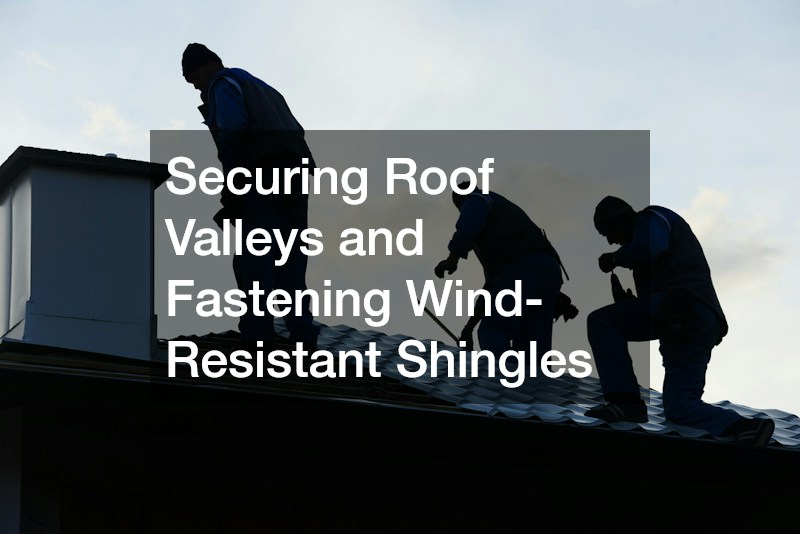
The overhead roofing system serves as the primary barrier against driving rain, high-velocity winds, and solar radiation. Throughout the year, thermal expansion and wind stress work loose perimeter fasteners, degrade adhesive sealant strips, and cause individual shingle tabs to lift or tear. Valleys and roof intersections endure the heaviest volume of stormwater runoff, making their underlying metal flashing channels and water membranes particularly vulnerable to mechanical wear and debris buildup. If water bypasses deteriorated shingles or compromised flashing seals, it soaks directly into attic framing and insulation, sparking concealed wood rot long before interior ceiling stains appear.
Reinforcing the primary weather plane against storm damage requires precise material placement and seasonal inspections. Working with certified roofers ensures that lifted shingle tabs are carefully resealed or replaced with wind-resistant architectural shingles fastened using corrosion-resistant pneumatic ring-shank nails. Experienced roofing technicians evaluate low-slope valleys, install self-adhering waterproof underlayment membranes, and secure custom-bent valley flashing channels to manage high-volume runoff. In addition, professionals inspect rubber plumbing pipe boots and replace failing step flashing around exterior walls, establishing a durable, watertight defense that preserves attic framing and prolongs the service life of the roof.
Relining Flue Channels and Inspecting Masonry Fireboxes
A traditional masonry fireplace provides vital warmth and ambiance during cold seasons, but its combustion pathways require steady structural maintenance to remain safe. Over continuous heating cycles, the caustic byproducts of burning wood—including creosote, acidic moisture vapor, and soot—accumulate along the interior surfaces of the chimney flue. These deposits corrode clay flue tiles, cause mortar joints between firebricks to crack, and introduce dangerous structural fire risks. Furthermore, damaged firebox walls allow extreme combustion temperatures and toxic flue gases to reach adjacent wooden wall studs, creating serious life-safety hazards inside the home.
Ensuring safe fireplace operation requires hands-on structural repairs, video flue inspections, and targeted masonry restoration. Enlisting qualified fireplace contractors allows homeowners to assess flue passages using specialized rotary camera equipment that identifies hidden liner fractures and dangerous creosote glaze. Skilled technicians repair failing fireboxes with high-temperature refractory mortar, replace eroded throat dampers, and install custom stainless steel flue liners that effectively insulate hot gases. By topping the chimney stack with a spark-arresting rain cap and sealing exterior brick joints, professionals prevent moisture intrusion and keep the hearth running safely throughout the winter.
Sealing Leaking Plenums and Calibrating Blower Assemblies
A property’s central climate network acts as the primary circulatory system for indoor living spaces, distributing thermal energy and filtered air through a web of supply and return runs. When sheet-metal plenums warp or flexible duct sleeves pull away from their collar connections, conditioned air escapes directly into unconditioned attics, basements, or crawlspaces. This structural separation induces significant static pressure drops, causing rooms farthest from the air handler to feel stagnant and uncomfortable. Beyond the loss of temperature control, unsealed joints draw in ambient insulation fiberglass, attic dust, and moisture vapor, degrading indoor air quality and forcing the mechanical unit to cycle continuously to satisfy thermostat demands.
Restoring whole-home airflow balance and mechanical efficiency requires diagnostic testing and methodical duct preservation. Scheduling professional HV AC repair allows technicians to assess system static pressure using digital manometers and identify hidden air leaks with thermal imaging or theatrical smoke sweeps. Technicians clean dust and grease accumulation off blower fan wheels, adjust variable-speed motor settings, and seal compromised plenum joints using fiberglass mesh and heavy mastic compounds. Addressing airflow restrictions and sealing duct gaps relieves mechanical strain on electrical motors, lowers monthly power consumption, and ensures balanced comfort across every living space.
Clearing Blocked Drain Lines and Recharging Condenser Coils
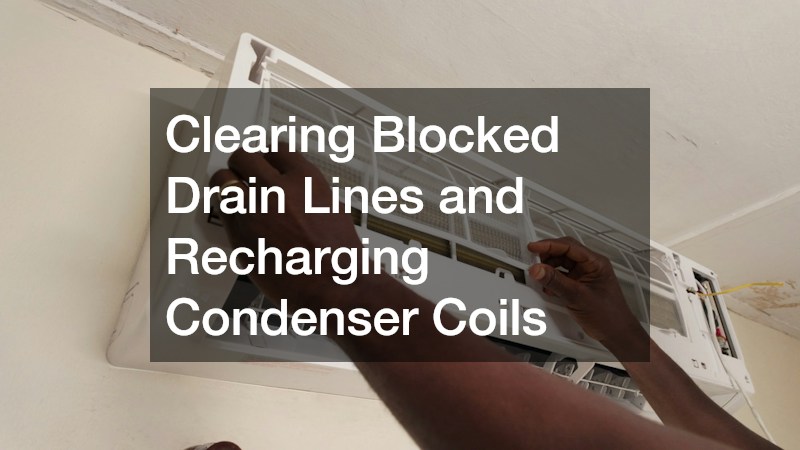
During humid summer weather, central cooling equipment works tirelessly to remove sensible heat and extract airborne moisture from inside the dwelling. As humid air passes over the chilled evaporator coil, moisture condenses onto aluminum fins and drips into a collection tray connected to a narrow condensate drainage line. Over months of steady operation, airborne spores, household dust, and microbial algae gather inside this moist pipe, creating thick blockages that cause drainage pans to overflow. Left uncorrected, water spills onto ceiling drywall or trips float switches that disable the cooling cycle entirely, leaving the home hot and prone to mold growth.
Resolving persistent cooling shutdowns and restoring thermal transfer requires targeted mechanical diagnostics and preventative service. Homeowners facing warm supply registers, frozen evaporator coils, or overflowing drain pans require certified ac repair to get their systems back on track. Skilled technicians flush blocked condensate conduits using high-pressure nitrogen bursts and treat drainage pans with slow-dissolving antimicrobial tablets. They also evaluate sealed copper line sets with electronic leak detectors, straighten crushed condenser fins to restore airflow, and recharge the system to factory refrigerant specifications. Prompt repairs prevent compressor burnout and ensure reliable cooling through the hottest summer heatwaves.
Pruning Overhanging Canopies and Clearing Hazardous Branches
Mature trees provide shade, improve curb appeal, and support local ecosystems, but overgrown canopies near residential structures introduce substantial physical risks. During severe windstorms, heavy snowfall, or freezing rain events, overextended limbs experience extreme mechanical torque. Dead wood, decayed forks, and weakly attached branch unions can shear off without warning, crushing roof rafters, puncturing shingles, or severing overhead electrical service drops. Furthermore, dense canopies that rub against roofing materials scrape away protective asphalt granules, while low-hanging branches drop piles of organic debris directly into eave channels, trapping moisture along the roofline.
Safeguarding structural roof planes and managing tree health requires professional arboricultural care, proper rigging, and precise crown thinning. Contracting a dependable tree trimming service ensures that hazardous limbs hanging over roof ridges, power lines, and driveways are safely removed using directional lowering ropes and friction brakes. Certified arborists thin out crowded internal canopies to reduce wind resistance, eliminate diseased or dead limbs, and elevate lower branches to allow sunlight to reach the building envelope. Regular, calculated crown thinning preserves tree health, prevents dangerous storm-related impacts, and shields the property from overhead hazards.
Prepping Concrete Substrates and Applying Polyaspartic Topcoats
Concrete surfaces in residential garages, workshops, and basements endure relentless mechanical loads, thermal variations, and chemical exposures throughout their operational life. Bare concrete is naturally porous, drawing in motor oil, road salts, transmission fluids, and ground moisture through microscopic capillaries. Over repeated freeze-thaw cycles, trapped water expands, resulting in surface spalling, micro-fractures, and fine concrete dust that tracks into living areas. Standard hardware-store floor paints fail quickly in these settings, blistering under hot tire pickup and peeling away from moisture vapor pressure rising through the slab.
Transforming an unfinished concrete pad into an impervious, industrial-strength surface requires diamond-grind preparation and multi-layer chemical bonding. Upgrading to commercial-grade epoxy flooring begins with mechanical diamond profiling to remove old sealers, open up concrete pores, and level high spots. Technicians repair cracks and pits with rapid-curing polyurea compounds before applying a 100-percent solids base coat broadcast with decorative vinyl color flakes. Sealing the entire floor with an ultraviolet-stable polyaspartic clear coat creates a durable finish that resists chemical stains, eliminates concrete dusting, and cleans up easily with simple damp mopping.
Replacing Frayed Lift Cables and Balancing Torsion Springs
The overhead garage door functions as the heaviest moving mechanical component in a home, providing daily vehicle access while serving as a primary security barrier against intrusions and extreme weather. Smooth, safe movement depends on high-tension torsion springs, heavy-duty steel cables, and balanced vertical track assemblies working in unison. Over thousands of operational cycles, steel torsion springs undergo metal fatigue, balance cables fray along bottom corner brackets, and track rollers wear out. When springs lose tension or break, the door binds in its tracks, strains the electric motor, and presents a severe safety hazard if the door falls unexpectedly.
Restoring safe overhead door operation requires specialized winding tools, mechanical expertise, and proper replacement parts. Scheduling professional garage door repair ensures that dangerous, high-tension spring assemblies are wound, adjusted, or replaced safely using heavy steel winding bars. Trained technicians align vertical guide tracks with laser levels, install quiet ball-bearing nylon rollers, replace frayed aircraft-grade cables, and calibrate automatic motor reverse sensors. Timely mechanical servicing prevents sudden drop hazards, reduces operational noise, and ensures that the home’s largest moving barrier opens and closes reliably.
Measuring Sludge Accumulation and Pumping Underground Chambers
Private onsite wastewater setups quietly process household greywater and blackwater away from municipal utility grids. Raw sewage collects in an underground septic tank, where solid matter settles to the bottom as sludge and floating oils form an upper scum blanket. Anaerobic bacteria break down solid waste, allowing clarified effluent to exit through a subterranean network of perforated pipes into the soil absorption field. Because these holding tanks are buried underground, homeowners often overlook routine maintenance until severe symptoms appear, such as gurgling toilet drains, sewage backups in fixtures, or foul surface odors in the yard.
Preventing drain field failure and messy plumbing emergencies requires regular tank pumping and structural inspections. Partnering with reputable local septic companies ensures that underground tanks are pumped out every three to five years to clear away accumulated solids before they can wash into the drain field. Experienced technicians measure sludge and scum thicknesses, verify that inlet and outlet sanitary baffles remain intact, clean effluent filter screens, and check for signs of root intrusion. Routine pump-outs prevent bio-mat clogs from ruining the absorption field, protect surrounding groundwater, and keep home drainage flowing freely.
Deploying Lateral Camera Scopes and Relining Cracked Mains
Subterranean sewer mains carry domestic wastewater away from household plumbing stacks into municipal collection systems or private septic tanks. These buried lateral lines face continuous environmental pressures, including shifting soils, hydrostatic pressure, and intrusive tree roots seeking moisture through pipe joints. Over decades of service, older clay, cast-iron, or composite pipes crack, shift out of alignment, or develop thick root blockages that snag waste materials. When a sewer main collapses or clogs completely, raw sewage backs up through lowest-level plumbing drains, causing extensive property damage, unsanitary conditions, and health hazards.
Resolving recurring main-line blockages without tearing up lawns and driveways demands modern diagnostic imaging and trenchless restoration techniques. Arranging for local sewer repairs allows technicians to insert high-definition, self-leveling fiber-optic cameras directly into the pipe run to pinpoint fractures, root intrusions, and joint offsets. Depending on the pipe’s condition, specialists can clear heavy roots with hydro-jetting equipment and install cured-in-place pipe (CIPP) liners to create a seamless, epoxy-hardened pipe within the damaged host line. Trenchless relining restores flow capacity, seals out roots, and renews aging sewer infrastructure without disturbing surface landscaping.
Locating Subsurface Leaks and Modernizing Pressurized Fittings
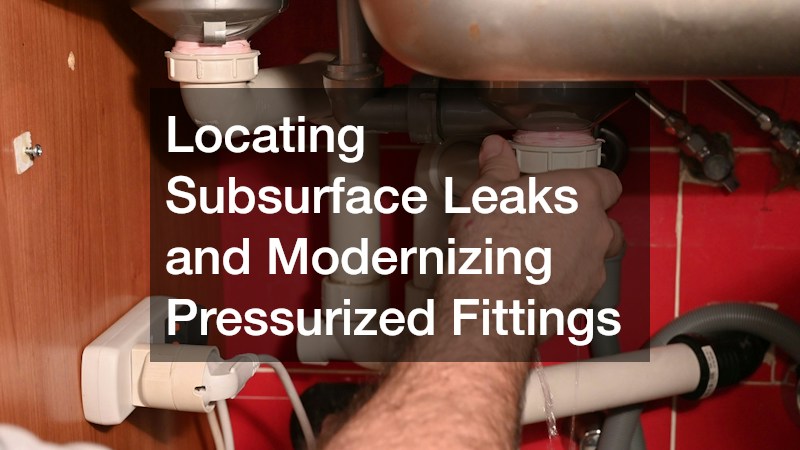
The interior water distribution system delivers pressurized potable water to sinks, showers, and appliances throughout the home at pressures between forty and sixty pounds per square inch. While these supply lines remain concealed behind finished walls and beneath subfloors, copper joints, brass valves, and threaded fittings experience constant hydraulic stress. Water hammer shocks, dissolved minerals, and acidic water chemistries steadily corrode metal pipe walls, eventually causing hidden pinhole leaks. Left undetected, slow moisture leaks rot structural joists, ruin ceiling drywall, and encourage hidden colonies of toxic mold inside wall cavities long before water spots appear.
Pinpointing concealed supply leaks and upgrading plumbing lines requires non-invasive acoustic detection, thermal imaging, and durable piping materials. Calling an experienced plumber ensures that hidden leaks behind drywall or beneath foundation slabs are located without unnecessary demolition. Technicians replace corroded copper or brittle plastic pipes with flexible cross-linked polyethylene (PEX) tubing, which resists mineral corrosion, dampens water hammer shocks, and handles freeze-thaw cycles without bursting. Installing quarter-turn brass shutoff valves, whole-home water pressure regulators, and automatic shutoff sensors protects the property from catastrophic pipe bursts and keeps domestic water systems reliable.
Preserving the structural durability, daily comfort, and market value of a residence requires an integrated maintenance strategy that unites interior living spaces with exterior building defenses. From resealing air ducts and servicing cooling equipment to diamond-grinding utility floors, repairing overhead garage doors, and upgrading concealed plumbing lines, each targeted project protects structural framing and improves daily life. Concurrently, replacing worn roof shingles, inspecting fireplace flues, pruning hazardous tree branches, pumping septic tanks, and relining cracked sewer mains shields the property against water damage, structural rot, and utility breakdowns.
Transitioning from stressful emergency repairs to a planned, preventative maintenance schedule saves property owners money and prevents minor component wear from turning into severe structural damage. By learning to identify early warning signs of mechanical wear, scheduling regular seasonal checkups, and working with licensed trade craftspeople for technical updates, homeowners can safeguard their investment. Approaching property defense and indoor remodeling with careful planning and quality craftsmanship ensures that your residence remains secure, comfortable, and energy-efficient through every season.