As winter approaches, homeowners should take time to prepare their properties for colder temperatures, snow, ice, and increased energy demands. Addressing potential problems before the first major cold snap can prevent expensive repairs while making indoor spaces more comfortable. From protecting plumbing and servicing heating equipment to upgrading windows, flooring, and insulation, several improvements can make a meaningful difference throughout the winter season. Planning these projects early also gives homeowners more time to compare materials, schedule contractors, and prioritize upgrades that offer lasting value. Whether you’re considering small maintenance tasks or larger renovations, the right improvements can help your home remain efficient, safe, and comfortable until warmer weather returns.
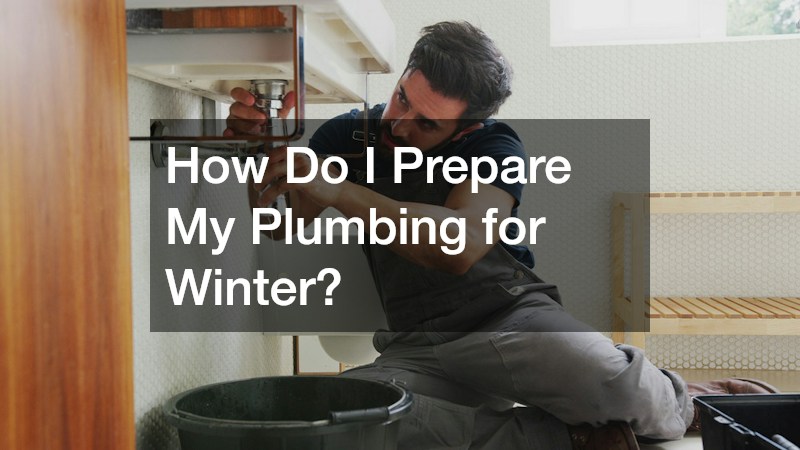
How Do I Prepare My Plumbing for Winter?
Plumbing deserves particular attention before winter because freezing temperatures can cause significant damage to pipes, fixtures, and water supply lines. Even a relatively small crack can release considerable amounts of water once frozen pipes begin to thaw. Preparing your plumbing system ahead of time helps prevent emergencies and protects your home from avoidable water damage.
Importance of a Local Plumbing Contractor
Working with a local plumbing contractor can help identify vulnerabilities before temperatures drop. A professional can inspect exposed pipes, evaluate water pressure, check connections, and identify potential leaks. They can also recommend improvements based on your home’s plumbing layout and the severity of winter conditions in your area. Scheduling an inspection early provides an opportunity to address problems before emergency service becomes necessary.
Checking for Pipe Insulation
Pipes running through basements, crawl spaces, garages, and exterior walls are particularly vulnerable to freezing. Insulating these areas with appropriate foam sleeves or other protective materials helps maintain water temperature. Homeowners should also check existing insulation for gaps, deterioration, or moisture damage. Proper coverage reduces the likelihood of frozen pipes while helping plumbing systems operate more reliably.
Winterizing Outdoor Faucets
Outdoor faucets should be disconnected from garden hoses and properly drained before freezing weather arrives. Leaving a hose attached can trap water inside the faucet and connected piping, increasing the risk of freezing. Installing insulated faucet covers provides another layer of protection. Homes with dedicated shutoff valves for outdoor water lines should have those systems closed and drained according to manufacturer recommendations.
Preventing Pipe Freezing
During particularly cold periods, maintaining consistent indoor temperatures helps protect pipes located near exterior walls. Opening cabinet doors beneath sinks allows warmer air to circulate around plumbing, while allowing a small trickle of water to flow through particularly vulnerable faucets may help during extreme cold. Homeowners should also know where their main water shutoff valve is located in case a pipe bursts.
Inspection and Emergency Repairs
Small leaks, corrosion, and loose connections can become more problematic during winter. Having these issues addressed before freezing temperatures arrive reduces the likelihood of unexpected repairs. A professional inspection can also identify outdated components that may benefit from replacement.
Should I Service My HVAC System?
Heating equipment works harder during winter, making preventive maintenance especially important. A system that has been neglected may struggle to maintain comfortable temperatures, consume more energy, or experience an unexpected breakdown during the coldest part of the year.
Role of HVAC Companies
Professional HVAC companies provide inspections and maintenance that help heating systems operate safely and efficiently. Technicians can examine electrical connections, inspect heat exchangers, test system controls, and identify developing mechanical problems. They can also determine whether equipment is appropriately sized for the home and recommend repairs before minor issues become expensive failures.
Essential Maintenance Tips
Homeowners should replace or clean air filters regularly, clear debris from outdoor equipment, and make sure supply and return vents remain unobstructed. Thermostats should also be checked for accurate readings. Depending on the equipment, professional maintenance may include cleaning internal components, inspecting burners, lubricating moving parts, and testing safety controls.
Energy Efficiency Benefits
A properly maintained heating system generally operates more efficiently than equipment struggling with dirty filters or worn components. Improved airflow and reliable system operation can reduce unnecessary energy consumption. Sealing duct leaks and addressing poorly insulated areas can further improve performance.
Signs of Wear and Tear
Unusual noises, inconsistent temperatures, frequent cycling, and unexplained increases in heating bills can indicate developing problems. Homeowners should investigate these warning signs rather than waiting for equipment to stop working entirely.
Long-term Cost Savings
Routine maintenance can extend equipment lifespan and reduce the likelihood of major repairs. Although annual servicing requires an upfront investment, preventing avoidable breakdowns can save money over time.
Are Residential Window Tinting Services Effective?
Windows are a common source of unwanted heat transfer, particularly in homes with large glass surfaces or older installations. Residential window tinting offers an additional way to improve comfort without necessarily replacing existing windows.
Benefits of Window Tinting
Modern window films can reduce solar heat gain, glare, and ultraviolet exposure. While these benefits are often associated with summer, window films can also improve year-round indoor comfort. Certain products provide additional insulating properties that help reduce heat transfer through glass.
Energy Savings and Comfort
By limiting unwanted solar heat during warmer periods and improving window performance, appropriate films can help stabilize indoor temperatures. Their effectiveness depends on the existing windows, film specifications, climate, and installation quality. Homeowners should compare product performance ratings before selecting a solution.
Protecting Interior from UV Rays
Sunlight can gradually fade furniture, flooring, artwork, and upholstery. Window films that block a high percentage of ultraviolet radiation help protect these materials. This protection is particularly useful in rooms with significant daytime sun exposure.
Choosing the Right Tint
Different films offer varying levels of visibility, reflectivity, heat rejection, and UV protection. Homeowners should consider their privacy preferences, natural lighting needs, and window orientation before choosing a product.
Professional vs DIY Tinting
DIY films may be suitable for smaller projects, but professional installation typically provides more consistent results. Experienced installers can select appropriate materials, prepare glass surfaces, and minimize bubbles or uneven application.
What Are the Best Window Coverings for Winter?
Window treatments can contribute to indoor comfort by creating an additional barrier between living spaces and cold glass. Selecting appropriate window coverings is a relatively straightforward improvement that can complement larger insulation projects.
Insulating Properties of Window Coverings
Thick curtains, cellular shades, and insulated drapes help reduce heat loss by trapping air between the window and the room. Properly fitted treatments can also reduce drafts around window openings, particularly when paired with existing weatherstripping.
Types of Winter-Friendly Coverings
Cellular shades are popular because their honeycomb construction creates insulating air pockets. Thermal curtains provide another option, especially for larger windows. Layered treatments can combine decorative appeal with practical insulation.
Installation Insights
Correct measurements are essential for maximizing performance. Treatments that extend beyond the window frame can provide better coverage, while securely mounted hardware helps prevent gaps. Homeowners should also make sure coverings do not obstruct heating vents or create safety hazards.
Balancing Light and Warmth
Opening curtains during sunny winter afternoons allows natural sunlight to contribute warmth. Closing them after sunset helps retain indoor heat. This simple habit can improve comfort without requiring additional equipment.
Cost Considerations
Prices vary depending on materials, window dimensions, and installation requirements. Homeowners can prioritize frequently used rooms or windows with noticeable drafts before investing in treatments throughout the entire property.
Do I Need to Check My Roof Before Winter?
A roof must withstand snow accumulation, freezing rain, strong winds, and repeated temperature fluctuations. Even minor damage can become more serious when moisture freezes and expands inside vulnerable areas.
Why Consult Roofing Companies?
Professional roofing companies can inspect shingles, flashing, ventilation systems, and drainage components. Their experience helps identify damage that may not be visible from the ground. Scheduling an inspection before winter also provides time to complete repairs under more favorable weather conditions.
Common Winter Roof Problems
Ice dams, damaged shingles, clogged gutters, and inadequate attic ventilation are common concerns. Ice dams develop when melting snow refreezes near roof edges, potentially allowing water to back up beneath shingles. Poor drainage and insufficient insulation can make these problems worse.
Inspection Checklist
Homeowners should look for missing or curling shingles, damaged flashing, sagging gutters, and signs of water stains inside the attic. Ventilation openings should remain unobstructed, and downspouts should direct water away from the foundation.
Repair vs Replacement
Minor damage may only require localized repairs, while widespread deterioration could justify replacing the roof. A professional assessment can help determine whether repairs will provide reliable protection or whether a larger investment makes more sense.
Preventative Measures
Cleaning gutters, maintaining attic ventilation, and addressing damaged shingles can reduce winter-related risks. Homeowners should also remove overhanging branches that could fall onto the roof during storms.
How Can Bathroom Improvements Enhance Winter Comfort?
Bathrooms can become particularly uncomfortable during winter because tile surfaces, exterior walls, and poorly insulated windows often feel noticeably colder than the rest of the home. Targeted renovations can make these spaces warmer and more functional.
Upgrading with a Bathroom Contractor
A bathroom contractor can recommend improvements that address comfort, moisture management, and overall functionality. Projects might include replacing outdated fixtures, improving ventilation, upgrading insulation, or installing more efficient lighting. Planning these changes before winter can also help avoid scheduling disruptions during the busiest renovation periods.
Benefits of New Bathroom Cabinets
Replacing old bathroom cabinets can improve storage while giving the room a refreshed appearance. Modern bathroom cabinets offer better organization for toiletries, towels, and cleaning supplies. Choosing moisture-resistant materials is particularly important because bathrooms experience frequent humidity changes.
Heated Flooring Options
Radiant floor heating can make cold bathroom surfaces significantly more comfortable. Electric heating mats are often used in smaller renovation projects, while hydronic systems circulate heated water through installed tubing. Both options can provide consistent warmth, although installation costs and compatibility vary.
Insulating Bathroom Windows
Bathrooms with exterior-facing windows can lose considerable heat during winter. Weatherstripping, insulated treatments, and improved glazing can help reduce drafts. Homeowners should also use moisture-resistant materials to prevent condensation-related problems.
Maintaining Humidity Levels
Proper ventilation helps remove excess moisture produced by showers and baths. Running exhaust fans during and after bathing reduces condensation and discourages mold growth. Maintaining balanced humidity also contributes to a healthier indoor environment.
What Are the Top Kitchen Improvements for Cold Weather?
Winter often means spending more time indoors, making the kitchen an important area to prioritize. Improvements that enhance storage, efficiency, and ventilation can make everyday activities more convenient.
Engaging Kitchen Cabinet Companies
Professional kitchen cabinet companies can help homeowners replace worn cabinetry or improve existing storage arrangements. New cabinets can provide better access to cookware, pantry supplies, and frequently used appliances. Choosing durable finishes and quality hardware helps ensure the investment withstands years of regular use.
Energy-Efficient Kitchen Appliances
Older refrigerators, dishwashers, and cooking appliances may consume more electricity than necessary. Replacing inefficient equipment with appropriately sized, energy-efficient models can reduce household energy consumption. Homeowners should compare operating costs and available efficiency certifications rather than focusing exclusively on purchase prices.
Working with a Kitchen Designer
A kitchen designer can help coordinate cabinetry, countertops, lighting, and appliance placement. Professional planning is particularly valuable when homeowners want to improve functionality without expanding the existing footprint. A thoughtful design can also make the kitchen feel more inviting during months when outdoor activities are limited.
Maximizing Space and Storage
Winter supplies, bulk groceries, and additional cookware can quickly create clutter. Pullout shelves, drawer organizers, and pantry improvements help make better use of available space. Well-planned storage also keeps frequently used items accessible.
Improving Kitchen Ventilation
Cooking produces heat, smoke, odors, and moisture that can affect indoor air quality. An appropriately sized range hood helps remove these contaminants. Cleaning filters and checking ventilation connections before winter ensures the system operates effectively.
Is LVP Flooring a Good Option for Winter?
Flooring can influence how comfortable a home feels during colder months. Luxury vinyl plank, commonly called LVP flooring, has become popular because it combines attractive designs with practical durability.
Benefits of LVP Flooring
LVP is available in styles that resemble hardwood, stone, and other natural materials. It is generally comfortable underfoot compared with traditional ceramic tile and offers resistance to everyday moisture. Some products also include attached underlayment that helps reduce sound transmission.
Installation Process
Installation typically involves preparing a clean, level subfloor before placing the planks according to manufacturer specifications. Many products use click-lock systems, allowing individual planks to connect without extensive adhesive work. Proper acclimation and expansion allowances remain important, particularly when indoor temperatures fluctuate.
Durability in Winter Conditions
Snow, road salt, and wet footwear can damage certain flooring materials over time. Quality LVP handles ordinary household moisture well, making it a practical option for entryways, kitchens, and mudrooms. However, homeowners should check product specifications because not every variety is waterproof or suitable for every installation environment.
Cost Efficiency
LVP generally costs less than many hardwood options while offering relatively straightforward maintenance. Its durability can also reduce replacement expenses over time.
Comparing LVP with Other Floorings
Hardwood offers natural character but requires more maintenance and can be sensitive to moisture. Ceramic tile is durable but often feels cold without radiant heating. LVP provides a middle ground with attractive styling, practical maintenance, and comfortable everyday performance.
How Should I Prepare My Home’s Exterior?
Exterior maintenance helps protect a home against winter weather while reducing the likelihood of water intrusion and structural damage. Homeowners should inspect siding, foundation areas, decks, and drainage systems before freezing conditions arrive.
Importance of Exterior Inspections
Look for loose siding, deteriorating caulk, damaged trim, and cracks around doors or windows. Addressing these problems helps prevent moisture from entering vulnerable areas. Foundation cracks and drainage concerns should receive particular attention because melting snow can introduce substantial amounts of water.
Protecting Outdoor Spaces
Patio furniture, grills, garden equipment, and decorative items should be cleaned and stored or covered appropriately. Outdoor plumbing connections should be disconnected, while exposed equipment should receive protection recommended by its manufacturer.
Weatherproofing Your Home
Replacing worn weatherstripping, sealing exterior gaps, and repairing damaged caulking can reduce drafts. These relatively inexpensive improvements help maintain indoor temperatures while reducing unnecessary heating demands.
Yard Maintenance Tips
Remove dead branches, clear leaves from drainage areas, and trim vegetation away from the home’s exterior. Trees with damaged limbs should receive attention before heavy snow or ice creates additional stress.
Dealing with Snow and Ice
Prepare snow shovels, snow blowers, and ice-management supplies before the first storm. Make sure walkways and drainage paths remain accessible, and identify areas where snow accumulation could create hazards.
What Role Does Insulation Play in Winter Prep?
Insulation is one of the most important factors influencing winter comfort and heating expenses. Without adequate insulation, heated air escapes through ceilings, walls, floors, and other vulnerable areas.
Types of Home Insulation
Common options include fiberglass batts, cellulose, mineral wool, and spray foam. Each material offers different installation requirements, moisture characteristics, and thermal performance. The appropriate choice depends on the location being insulated and the home’s existing construction.
Evaluating Current Insulation
Uneven room temperatures, cold floors, and unusually high heating bills may indicate insufficient insulation. An energy assessment can help identify areas where improvements would provide the greatest benefit.
Professional vs DIY Insulation
Some projects, such as installing accessible attic batts, may be manageable for experienced homeowners. However, professional installation is often preferable when dealing with enclosed wall cavities, complicated building assemblies, or potential moisture problems.
Insulation Material Comparison
Fiberglass is widely available and relatively affordable, while cellulose offers another effective option for attics and wall cavities. Spray foam can provide both insulation and air sealing, although it generally involves higher installation costs. Comparing R-values, installation requirements, and long-term performance helps homeowners make informed decisions.
Impact on Heating Costs
Reducing unwanted heat transfer allows heating equipment to maintain comfortable temperatures with less effort. Although insulation improvements require an initial investment, they can provide lasting energy savings.
Is Smart Home Technology Useful in Winter Preparation?
Smart home technology offers additional ways to monitor indoor conditions, manage energy consumption, and protect properties during winter. Many upgrades are relatively simple to install and can complement existing heating and security systems.
Benefits of Smart Thermostats
Smart thermostats allow homeowners to adjust temperatures according to daily schedules and occupancy patterns. Many models learn household preferences and provide energy-use reports. Remote controls also make it easier to change settings when plans unexpectedly change.
Smart Heating Systems
Some heating systems support zoning, allowing different areas of a home to maintain separate temperatures. Smart controls can improve convenience by directing heat where it is needed rather than maintaining identical settings throughout the property.
Remote Monitoring Features
Connected sensors can monitor indoor temperatures, detect water leaks, and send alerts when unusual conditions occur. These features are especially useful when homeowners travel during winter because they provide an opportunity to respond to potential problems before significant damage develops.
Cost of Smart Upgrades
Smart thermostats and sensors vary considerably in price depending on features and compatibility. Homeowners should prioritize upgrades that address actual household needs rather than purchasing technology simply because it is available.
Security Enhancements
Smart cameras, doorbells, and automated lighting can improve property monitoring during darker winter evenings. Some systems also provide notifications when doors or windows are opened, offering additional peace of mind.
Preparing a home for winter involves more than simply turning up the thermostat when temperatures drop. Plumbing inspections, HVAC maintenance, roof repairs, insulation improvements, and exterior weatherproofing all contribute to a safer and more comfortable living environment. Upgrades to windows, bathrooms, kitchens, and flooring can provide additional benefits while improving everyday functionality. Smart technology offers another layer of convenience by helping homeowners monitor their properties and manage energy use. By prioritizing these improvements before winter arrives, homeowners can reduce the likelihood of unexpected repairs, improve efficiency, and enjoy a more comfortable home throughout the colder months.