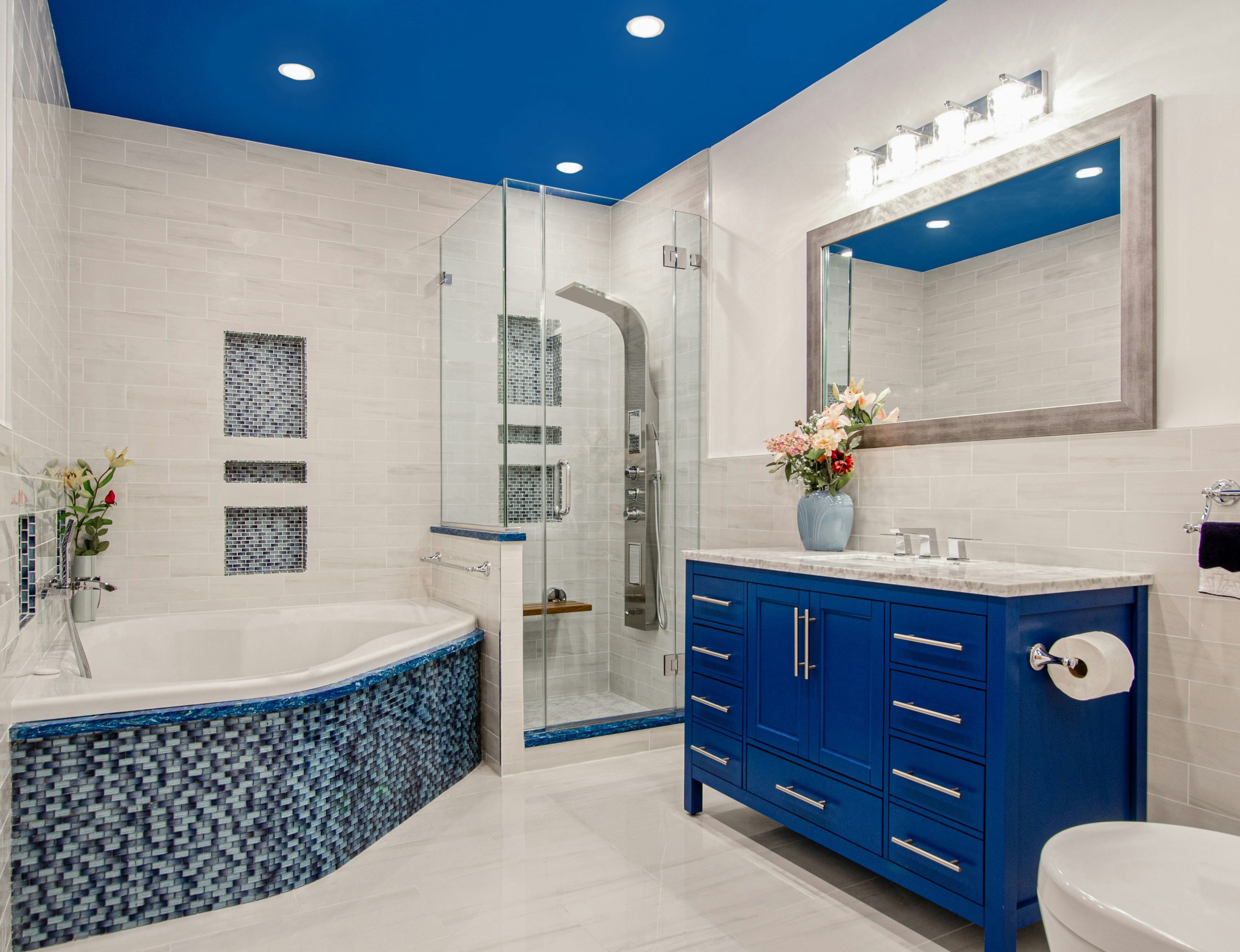
Key Takeaways:
- Scope matters far more than size. Whether plumbing or electrical gets moved determines your timeline much more than the square footage of the bathroom.
- Cosmetic refreshes are fast. Most sources put a no-layout-change refresh at 2 to 6 weeks total, sometimes just days if all materials are on hand.
- Full remodels take two to three times longer. Same-layout gut renovations typically run 6 to 12 weeks, and adding structural or layout changes can push that to 8 to 16+ weeks.
- Two different 2026 datasets, similar pattern. Regional differences in permitting speed, contractor scheduling, and material lead times explain why exact numbers vary, but the relative gap between cosmetic and full projects holds steady across markets.
- Delays usually stack up in full remodels. Hidden water damage, inspection backlogs, custom material lead times, and mid-project change orders rarely derail a cosmetic job but frequently compound on a full gut renovation.
- Ordering materials early is the single biggest time-saver. Getting tile, vanities, and shower glass on site before demolition starts prevents the most common cause of schedule slippage.
- Timeline length and payoff don’t always track together. Smaller-scope updates often recoup a higher percentage of their cost at resale than larger, more time-intensive renovations, so it’s worth matching your project’s length to your actual goal rather than assuming bigger and longer always means better value.
If you have ever asked a contractor “how long is this actually going to take,” you already know the answer is rarely simple. Bathroom projects get lumped into one bucket, but a quick cosmetic refresh and a full gut remodel are two completely different animals with two completely different calendars. One might have your bathroom back in service before the weekend is over. The other could keep you showering at the gym for a couple of months.
To cut through the guesswork, this article leans on two separate 2026 industry sources that break down real project timelines by scope. We will walk through what each one found, why the numbers differ, and what that means for planning your own project realistically instead of hoping for the best.
Cosmetic Refresh vs. Full Remodel: What’s the Real Difference?
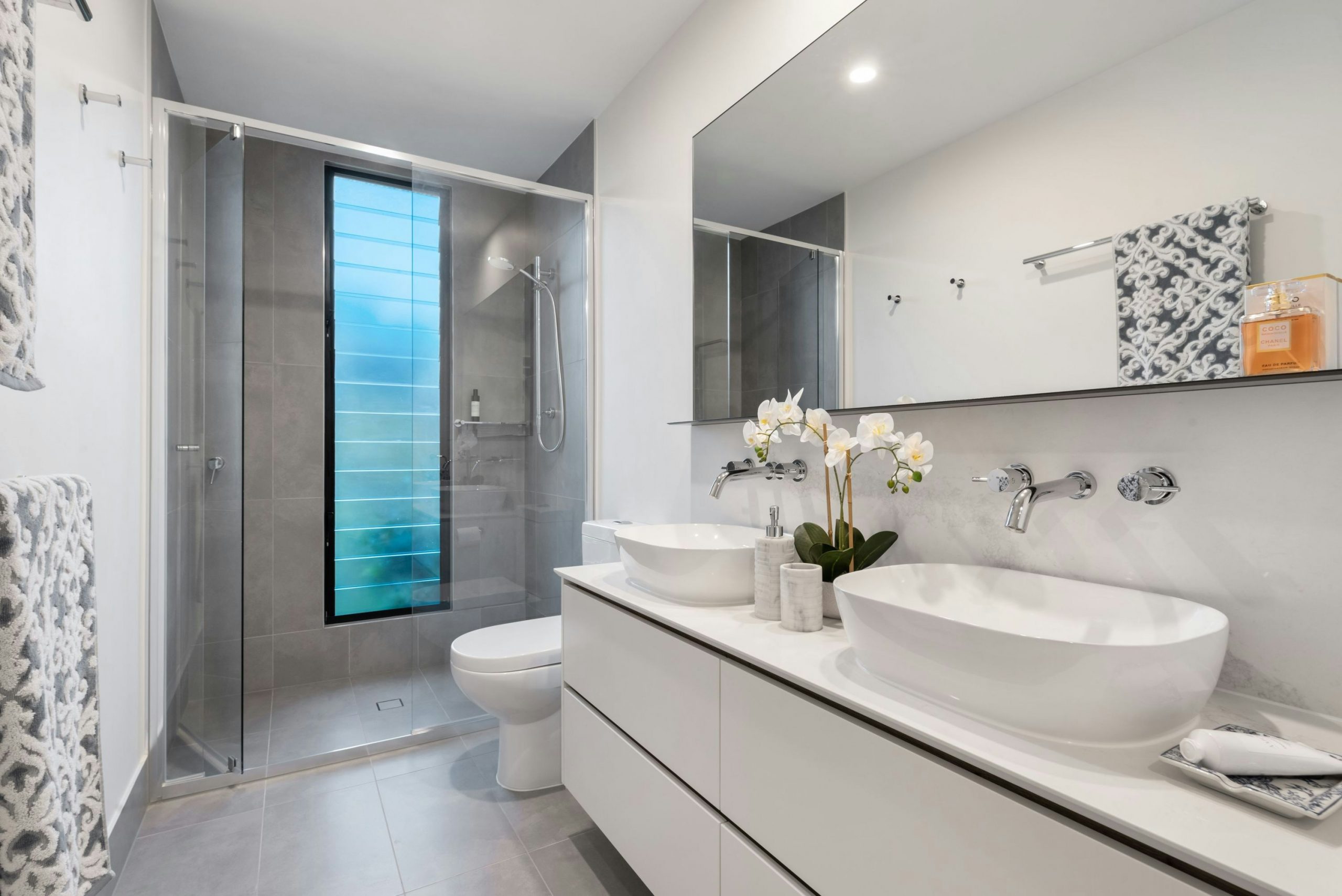
Before comparing timelines, it helps to define the two categories clearly, since contractors and homeowners do not always use the same vocabulary.
A cosmetic refresh generally means:
- Swapping out the vanity, faucet, and toilet
- Repainting walls, trim, or ceiling
- Updating lighting fixtures and mirrors
- Replacing flooring without touching the subfloor
- No changes to the plumbing or electrical layout
A full remodel usually involves:
- Demolition down to the studs and subfloor
- New plumbing lines, drains, or fixture locations
- Electrical rewiring or added circuits
- New tile, waterproofing membranes, and a rebuilt shower or tub surround
- Permits and inspections at multiple stages of construction
The distinction matters because it is the single biggest factor separating a weekend project from a multi-month one. Square footage barely moves the needle compared to whether you are relocating a drain or rerouting a circuit.
It is also worth noting that plenty of projects fall somewhere in between these two categories. A homeowner might replace the tub with a walk-in shower but leave the plumbing rough-in in the same spot, or swap out flooring while also adding a new light fixture that requires a small amount of rewiring. These in-between projects tend to borrow timeline characteristics from both categories, so it helps to think of cosmetic and full remodel as two ends of a spectrum rather than two rigid boxes.
What One 2026 Guide Found for Full Remodel Timelines
A 2026 week-by-week guide published by Barcci Builders, a licensed general contracting firm serving the Bay Area, analyzed patterns across more than 116 completed bathroom projects in Silicon Valley. Their findings put a standard primary bathroom gut renovation at roughly 10 to 12 weeks of active construction, with the wider range for a standard gut remodel landing between 8 and 12 weeks. Cosmetic refreshes in the same dataset wrapped up in about 4 to 6 weeks when the layout stayed untouched.
What stands out about this dataset is the added tier for larger-scope work. Once a project moves into structural changes, wall relocations, or square footage expansion, the same firm reports timelines stretching to 12 to 16 weeks or longer. That is a useful reminder that “full remodel” itself is not a single speed. There is a meaningful gap between rebuilding a bathroom in its existing footprint and physically enlarging the room.
What Another 2026 Source Found for Cosmetic Projects
A separate 2026 guide from Tixan Construction, focused on Orange County renovation patterns, offers a somewhat tighter set of numbers. According to their breakdown, a cosmetic refresh with no layout change typically wraps up in 2 to 4 weeks total. A full remodel that keeps the same layout but replaces plumbing fixtures, electrical, tile, and finishes runs 6 to 10 weeks. Once permits and layout changes enter the picture, that same full remodel category stretches to 8 to 16 weeks or more.
One detail worth noting from this source is the distinction between total project time and active construction time. The guide points out that active construction, meaning the period when the bathroom is genuinely torn apart, typically lasts 3 to 8 weeks depending on complexity, even though the full process from planning to final walkthrough can take two to three months once permitting delays are factored in.
Why These Two Data Points Don’t Perfectly Match Up
Lay the two datasets side by side and you will notice they do not land on identical numbers, and that is actually the most instructive part of this comparison. The Bay Area data puts a cosmetic refresh at 4 to 6 weeks, while the Orange County data puts the same category at 2 to 4 weeks. Full remodels show a similar spread: 8 to 12 weeks in one dataset versus 6 to 10 weeks in the other for a same-layout gut renovation.
A few things likely explain the gap:
- Regional permitting speed. Some counties and cities process bathroom permits in days, others in weeks, and that delay gets baked into the “total timeline” figure even when it has nothing to do with the physical labor involved.
- Contractor scheduling density. A firm juggling dozens of active jobs in a high-demand market may stretch out a cosmetic refresh simply because crews are shared across projects, not because the work itself takes longer.
- What counts as “cosmetic.” One firm’s cosmetic refresh might include a full re-tile of the shower surround, while another’s stops at paint, fixtures, and a vanity swap. That single difference can add or subtract weeks.
- Material lead times specific to the region. Custom vanities, semi-custom shower glass, and specialty tile all have order-to-delivery windows that vary by supplier network, and those windows get folded into the total timeline even before demolition starts.
The practical takeaway is that neither number is wrong. They are both accurate reflections of the markets they measured. What they agree on, and what matters most for planning purposes, is the relative gap: a full remodel reliably takes somewhere between two and three times longer than a cosmetic refresh, regardless of which region you are in.
Factors That Push Your Timeline Longer
Whether you land closer to the fast end or the slow end of these ranges usually comes down to a handful of variables that show up in project after project.
- Moving the plumbing. Relocating a toilet, shower drain, or sink adds inspection cycles and often requires opening up the floor or a wall, which is one of the most common reasons a “quick” remodel turns into a lengthy one.
- Custom or specialty materials. Handmade tile, natural stone, and semi-custom vanities can carry lead times of several weeks before they even arrive on site, independent of how fast the labor moves.
- Permit and inspection scheduling. In busy markets, inspectors can be booked out a week or more, and if a rough-in inspection fails, that adds another cycle to the wait.
- Hidden water damage. Opening up walls sometimes reveals rot, mold, or outdated plumbing that was not visible during the initial walkthrough, and addressing it takes priority over the finish work.
- Contractor availability. A full remodel involves multiple trades working in sequence, and if one trade is delayed, every trade scheduled after it shifts too.
- Weather and building access. In multi-unit buildings or homes with limited parking, delivery trucks and dumpsters can face scheduling restrictions that push back demolition day by day.
- Change orders mid-project. Deciding to switch tile patterns, add a heated floor, or move a light fixture after work has already started almost always resets part of the schedule, since materials may need to be reordered and inspections rescheduled.
None of these factors are unusual on their own, but a full remodel tends to stack several of them together, which is exactly why the total timeline range is so much wider than a cosmetic refresh. A cosmetic project might hit one small snag and lose a day. A full remodel can hit three or four of these snags in sequence and lose several weeks.
How to Speed Up Either Type of Project
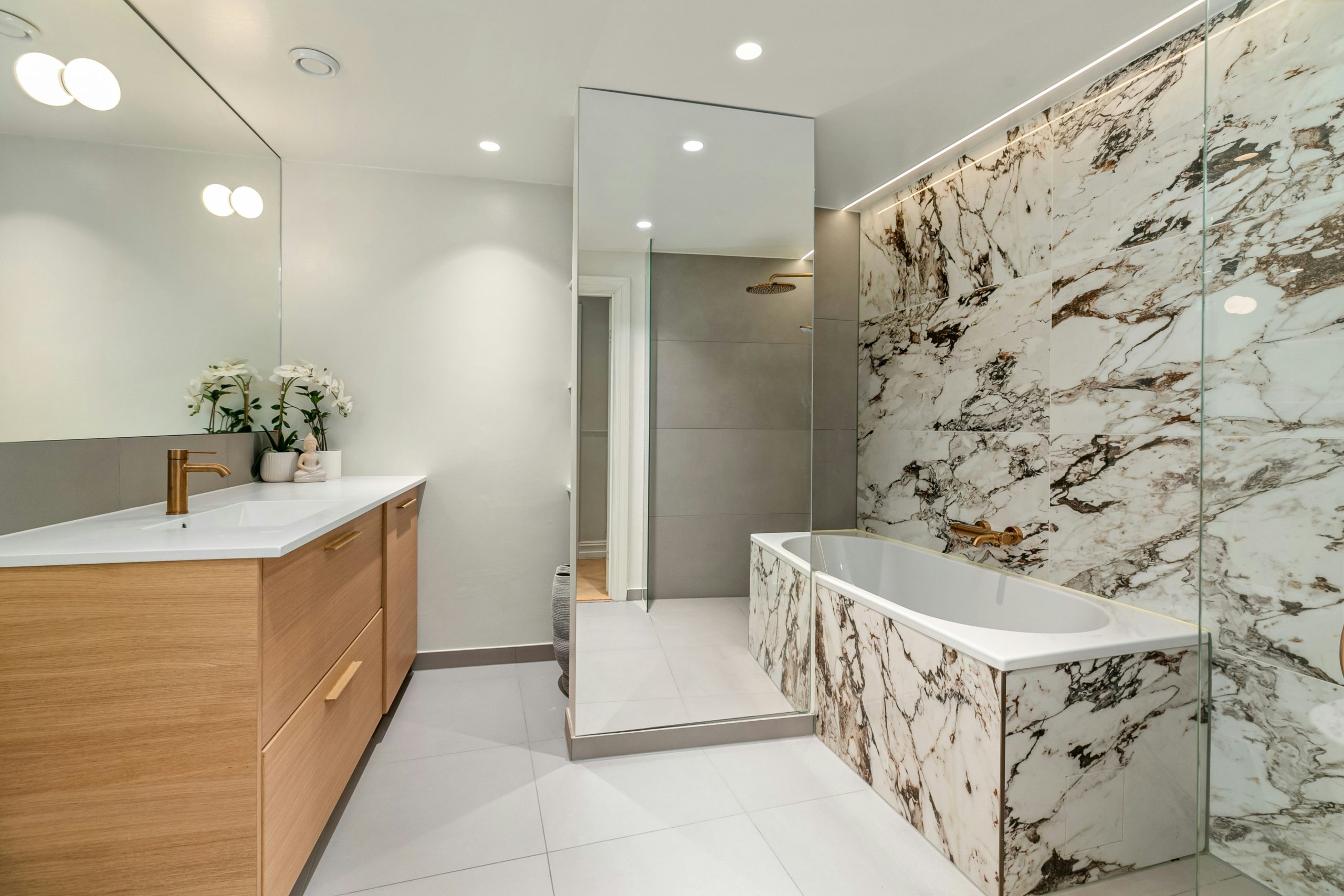
There is no way to make a full remodel move at cosmetic-refresh speed, but there are real ways to avoid unnecessary delays on either type of project.
- Order all materials, including tile, vanity, and shower glass, before demolition begins rather than after
- Confirm permit requirements with your local building department early, since layout or plumbing changes almost always require one
- Ask your contractor directly which portions of the project are DIY-friendly and which require licensed trades, since attempting electrical or waterproofing work without experience is one of the most common causes of costly rework
- Build in a buffer of at least one to two extra weeks for a full remodel, since almost every contractor and homeowner account of the process mentions the project running longer than the original estimate
- Have a backup bathroom plan ready, whether that is a neighbor’s house, a gym membership, or a second bathroom in the home, especially if you are renovating your only one
If you are in the early stages of deciding what your project should even include, it helps to remember that designing and building a bathroom around your daily routine, rather than just picking finishes that look good in photos, tends to prevent the kind of mid-project changes that add weeks to either category of remodel.
Cosmetic vs. Full Remodel: A Side-by-Side Timeline Breakdown
Putting both sources together gives a reasonably clear picture of what to expect by project type.
Cosmetic refresh (no layout change):
- Typical range: 2 to 6 weeks total
- Active hands-on work: often just days if materials are on site
- No permits required in most jurisdictions
Full remodel, same layout:
- Typical range: 6 to 12 weeks total
- Active construction: 3 to 8 weeks depending on complexity
- Permits and inspections typically required for plumbing and electrical work
Full remodel with layout changes or expansion:
- Typical range: 8 to 16-plus weeks total
- Often includes structural changes, moved walls, or added square footage
- Longest lead times for custom materials and multi-stage inspections
Does Timeline Length Actually Affect Value?
It is worth addressing a question that comes up naturally once homeowners see these ranges: is a longer, more disruptive remodel actually worth it financially. The honest answer depends heavily on scope. Industry cost and ROI data from 2026 suggests that smaller cosmetic updates tend to recoup a higher percentage of their cost at resale compared to large-scale luxury remodels, even though the luxury versions cost far more upfront. That means some of the most effective renovations that boost property value are not necessarily the longest or most expensive ones. A well-executed cosmetic refresh, done in a matter of weeks, can move the needle on a home’s appeal almost as much as a full gut renovation that takes three months and a much bigger budget.
That is not an argument against full remodels, especially if the existing layout genuinely does not work or the plumbing is outdated enough to cause real problems. It is simply a reminder that timeline and value do not move in a straight line together, so it is worth being clear on your actual goal, whether that is resale value, personal comfort, or fixing a functional problem, before committing to the longer path.
If your primary motivation is resale rather than personal enjoyment, it is worth talking to a local real estate agent before committing to a scope, since buyer expectations vary quite a bit by neighborhood and price point. In some markets, an outdated but clean bathroom barely affects an offer, while in others it is one of the first things buyers mention during a showing. That local context can help you decide whether a fast cosmetic refresh will genuinely satisfy buyers or whether the market really does expect a full renovation before you list the home.
Planning Your Own Renovation Timeline
If you are trying to map your own project onto these numbers, start by being honest about which category you are really in. A lot of projects get pitched as “just a refresh” and quietly turn into a full remodel once someone decides the tile needs to change or the vanity needs to move six inches to the left. Every one of those small layout shifts nudges the project from the fast lane into the slower one, along with the permits and inspections that come with it.
A simple way to sanity-check your own timeline expectations:
- If nothing is moving and you are keeping the same fixtures in the same spots, expect somewhere in the 2 to 6 week range
- If you are doing a full gut but keeping the layout, plan for 6 to 12 weeks and build in a buffer
- If walls are moving or the square footage is changing, plan for a full quarter of your year, not just a few weeks
Getting quotes from more than one contractor is also worth the extra time, not just for pricing but because experienced contractors will usually give you a far more realistic timeline than a generic online estimate, since they know your local permitting office, material suppliers, and inspection backlog firsthand.
It also helps to ask each contractor how they define the phases of the project, since “start date” can mean very different things depending on who you ask. Some contractors count the start date from the day permits are submitted, while others count it from the day demolition actually begins. Clarifying this upfront can prevent a lot of confusion later, especially if you are trying to coordinate time off work, a temporary living arrangement, or a move-out date for a rental unit undergoing renovation.
Finally, keep in mind that the timelines discussed here reflect typical conditions, not worst-case scenarios. Supply chain disruptions, unusually busy local permitting offices, or a contractor juggling too many jobs at once can all push a project past even the longer end of these ranges. Building in a cushion, both in your calendar and your budget, is one of the simplest ways to keep a bathroom renovation from feeling like it derailed your entire season.
At the end of the day, both 2026 datasets point to the same underlying truth even though their exact numbers differ: cosmetic work moves fast, full remodels take real time, and the honest answer to “how long will this take” is almost always a little longer than whatever number you first hear. Planning around that reality, rather than fighting it, is what keeps a bathroom renovation from turning into a source of household stress.