
Keeping a home in top shape year-round requires consistent attention, planning, and a proactive mindset. A house is more than just a place to live; it is a complex system made up of interconnected components that all require care to function properly. From the structure that supports the building to the systems that regulate temperature, water flow, drainage, and electricity, each element plays a critical role in maintaining comfort, safety, and long-term value.
A well-maintained home not only provides a safer and more comfortable living environment but also helps preserve property value over time. Buyers and appraisers often take note of how well a home has been cared for, making maintenance an important consideration for anyone thinking about long-term investment. Preventive care can also reduce the likelihood of emergencies, allowing homeowners to address concerns on their own schedule rather than reacting under pressure.
Cooling System Performance and Indoor Comfort
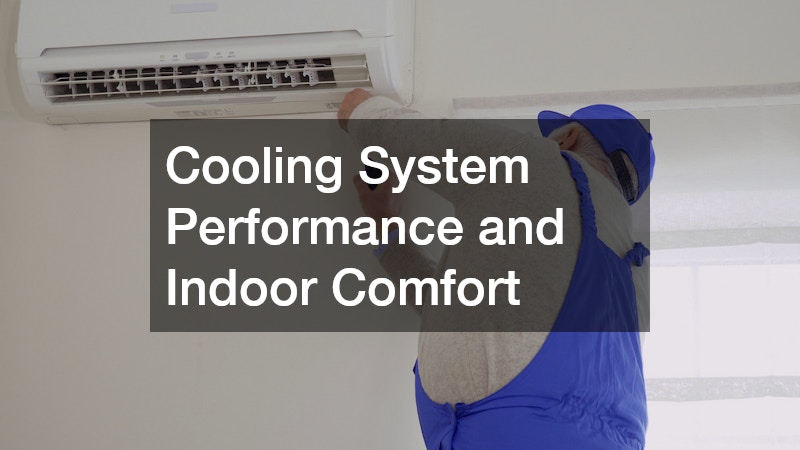
Maintaining a comfortable indoor environment is essential for both health and quality of life, especially during extreme weather conditions. Cooling systems play a central role in regulating indoor temperatures, controlling humidity, and ensuring proper air circulation throughout the home. When these systems operate efficiently, they provide consistent comfort while minimizing energy consumption. However, when issues arise, performance can decline quickly, leading to uneven cooling, higher utility bills, and reduced air quality. Regular AC repair is an important part of keeping these systems functioning properly, as it addresses minor issues before they develop into larger, more expensive problems.
Routine inspections and timely maintenance help identify common concerns such as refrigerant leaks, clogged filters, or worn components. Addressing these issues early can restore system efficiency and prevent unnecessary strain on the equipment. In addition, cleaning coils, checking airflow, and ensuring proper thermostat calibration all contribute to optimal performance. Homeowners who stay proactive with maintenance are more likely to experience reliable cooling throughout the year, even during peak usage periods.
Energy efficiency is another key consideration when it comes to cooling systems. An improperly maintained unit may consume more energy than necessary, resulting in increased costs and reduced environmental sustainability. Simple actions such as replacing air filters regularly and sealing ductwork can significantly improve efficiency. Over time, these small improvements can make a noticeable difference in both comfort and operating expenses.
Maintaining Safe and Reliable Entry Access
Garage doors serve as one of the primary access points to a home, and their proper operation is essential for both convenience and security. A malfunctioning garage door can pose safety risks, limit access, and compromise the overall security of the property. Over time, components such as springs, cables, rollers, and openers may experience wear and require attention. Addressing these issues through garage door repair helps ensure that the system continues to function smoothly and safely.
Regular maintenance of garage doors involves inspecting moving parts, lubricating hinges and rollers, and testing the balance of the door. These steps help reduce strain on the opener and extend the lifespan of the system. Additionally, safety features such as sensors and automatic reversal mechanisms should be checked periodically to confirm they are functioning correctly. These features are designed to prevent accidents and protect both people and property.
A properly maintained garage door also contributes to energy efficiency by helping regulate temperature in attached garages. When seals and insulation are in good condition, they reduce air leakage and prevent drafts from affecting adjacent living spaces. This can be particularly beneficial in climates with extreme temperatures, where maintaining a stable indoor environment is important.
Protecting and Restoring Driveway Surfaces
Driveways are constantly exposed to environmental stressors such as temperature fluctuations, moisture, heavy loads, and UV radiation. Over time, these factors can lead to cracks, potholes, and surface deterioration. Addressing these issues through asphalt repair helps maintain both the appearance and functionality of the driveway while preventing further damage.
Cracks in asphalt surfaces often begin small but can expand as water seeps into them and freezes or erodes the underlying structure. Prompt repairs help seal these openings and prevent moisture from compromising the base layer. In addition to crack sealing, resurfacing, and patching techniques can restore damaged areas and extend the lifespan of the pavement.
A well-maintained driveway also enhances curb appeal, contributing to the overall aesthetic of the property. Smooth, clean surfaces create a positive first impression and reflect the level of care given to the home as a whole. Beyond appearance, proper upkeep ensures safe vehicle and foot traffic by reducing hazards such as uneven surfaces or loose materials.
Keeping Household Water Systems Running Smoothly
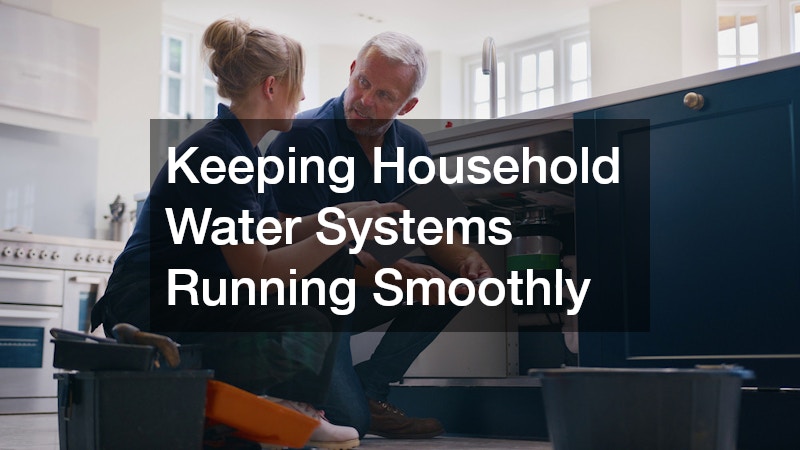
Water systems are essential for daily activities such as cooking, cleaning, bathing, and laundry. When these systems function properly, they provide consistent water pressure, reliable drainage, and clean water access throughout the home. However, issues such as leaks, clogs, and pressure irregularities can disrupt daily routines and lead to water waste or damage. Professional plumbing services help address these concerns and ensure that the system remains in good working condition.
Regular inspections of pipes, fixtures, and connections can help identify early signs of wear or damage. Corrosion, mineral buildup, and aging materials are common issues that may affect performance over time. By detecting these problems early, homeowners can avoid more serious complications such as pipe bursts or extensive water damage.
Efficient water systems also contribute to sustainability. Fixing leaks and optimizing water flow reduces unnecessary consumption, helping homeowners conserve resources and lower utility costs. Modern fixtures and updated plumbing components can further enhance efficiency while maintaining reliable performance.
Preventive maintenance is key to avoiding unexpected disruptions. Clearing drains, checking for leaks, and monitoring water pressure are all important steps in keeping the system functioning smoothly. With proper care, household water systems can operate efficiently and reliably for many years.
Managing Rainwater and Exterior Drainage Effectively
Proper drainage is essential for protecting a home from water-related damage. Gutters and downspouts are designed to direct rainwater away from the structure, preventing issues such as foundation damage, soil erosion, and basement flooding. Working with gutter companies ensures that these systems are installed correctly and maintained to perform effectively throughout the year.
Leaves, debris, and sediment can accumulate in gutters over time, obstructing water flow and causing overflow. Regular cleaning and inspection help prevent these blockages and maintain proper drainage. In addition, checking for loose connections, sagging sections, or damaged components ensures that the system remains structurally sound.
Effective drainage systems also protect landscaping and exterior surfaces. By directing water away from the home, they help preserve soil stability and prevent pooling around walkways and driveways. This contributes to both safety and long-term property maintenance.
Seasonal changes often bring increased rainfall or snowmelt, making it especially important to ensure that drainage systems are functioning properly before extreme weather events occur. Proactive maintenance reduces the risk of water infiltration and associated damage, helping homeowners avoid costly repairs.
Clearing Blockages for Efficient Drain Flow
Clogged drains can lead to a range of problems, including slow drainage, unpleasant odors, and potential backups. Over time, debris such as grease, soap residue, hair, and mineral deposits can accumulate within pipes, restricting water flow. Drain jetting is an effective method used to clear these blockages by using high-pressure water streams to remove buildup and restore proper flow.
This approach is particularly useful for addressing stubborn or recurring clogs that cannot be resolved with traditional methods. By thoroughly cleaning the interior of pipes, drain jetting helps eliminate not only the blockage but also the residue that can contribute to future issues. This results in a more comprehensive and long-lasting solution.
Regular maintenance of drainage systems can help prevent clogs from forming in the first place. Avoiding the disposal of certain materials down drains, using strainers, and scheduling periodic inspections are all effective strategies for maintaining clear pipes. Homeowners who take a proactive approach to drain care are less likely to experience disruptions or emergencies.
Efficient drainage is essential for maintaining a functional plumbing system and preventing water damage. When water flows freely through pipes, it reduces the likelihood of pressure buildup and associated complications. Keeping drains clear supports the overall performance of the home’s water systems.
Ensuring a Durable and Weather-Resistant Roof
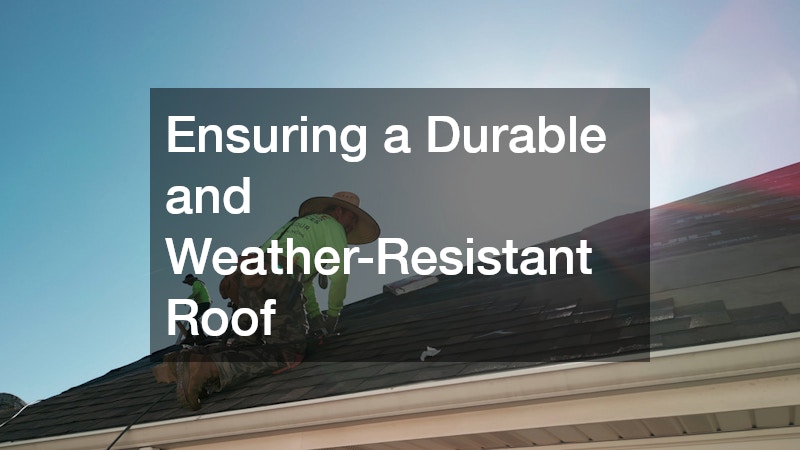
The roof is one of the most important components of any home, providing protection against weather, temperature fluctuations, and environmental exposure. Over time, roofing materials can deteriorate due to sun exposure, wind, rain, and debris. Regular roofing service helps maintain the integrity of the roof and ensures that it continues to provide reliable protection.
Inspections are a key part of roof maintenance. Identifying missing shingles, damaged flashing, or signs of leaks allows homeowners to address issues before they escalate. Early intervention can prevent water intrusion, structural damage, and interior damage caused by leaks.
A well-maintained roof also contributes to energy efficiency by helping regulate indoor temperatures. Proper insulation and ventilation work together to reduce heat transfer, keeping the home cooler in the summer and warmer in the winter. This reduces the strain on HVAC systems and supports overall comfort.
Routine maintenance tasks such as clearing debris, checking for moss or algae growth, and ensuring proper drainage all contribute to the longevity of the roof. By keeping the roof in good condition, homeowners can protect their investment and avoid costly repairs.
Maintaining Safe and Efficient Wastewater Systems
Wastewater systems play a crucial role in managing household waste and maintaining sanitary conditions. Septic systems, in particular, require regular care to function effectively. Septic service involves inspecting tanks, pumping waste, and ensuring that all components are operating as intended.
Neglecting septic maintenance can lead to system failures, unpleasant odors, and environmental contamination. Regular pumping prevents solids from accumulating and clogging the system, while inspections help identify potential issues before they become serious problems.
Proper usage also contributes to system longevity. Avoiding the disposal of non-biodegradable materials and managing water usage can reduce strain on the system. Homeowners who follow best practices are more likely to maintain a reliable and efficient wastewater system.
A well-maintained septic system protects both the home and the surrounding environment. By ensuring proper waste processing and disposal, it supports sanitation and prevents contamination of soil and groundwater.
Supporting a Reliable Private Water Supply
Homes that rely on private wells depend on consistent access to clean water. Water well service includes maintenance, inspection, and repair of well components to ensure reliable performance. This includes pumps, pressure tanks, and filtration systems that work together to deliver water throughout the home.
Regular testing of water quality is essential to ensure safety. Contaminants such as bacteria, minerals, or chemicals can affect water quality and may require treatment. Monitoring these factors helps maintain a safe and dependable water supply.
Mechanical components within the well system should also be inspected periodically. Pumps and pressure systems can wear over time, leading to reduced performance or failure. Addressing these issues early helps maintain consistent water pressure and availability.
A properly maintained well system provides independence and reliability, making it an essential part of homes that are not connected to municipal water supplies.
Ensuring Safe and Code-Compliant Electrical Systems
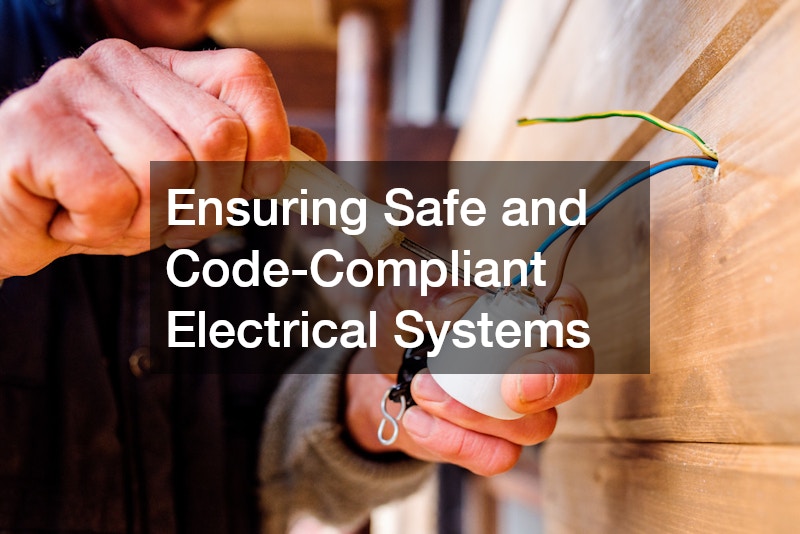
Electrical systems power nearly every aspect of modern living, from lighting and appliances to heating and cooling equipment. Maintaining these systems requires attention to safety, functionality, and compliance with building codes. Working with an electrical contractor helps ensure that installations, repairs, and upgrades are performed correctly and safely.
Regular inspections can identify issues such as outdated wiring, overloaded circuits, or faulty outlets. Addressing these concerns reduces the risk of electrical hazards such as shocks or fires. Proper grounding and circuit protection are also essential components of a safe system.
Upgrading electrical systems may be necessary to accommodate new appliances or increased power demands. Modern homes often require more capacity than older systems were designed to handle. Ensuring that the system is properly configured helps maintain performance and safety.
A well-maintained electrical system supports the overall functionality of the home while minimizing risks. By prioritizing safety and compliance, homeowners can ensure reliable access to power throughout the property.
Maintaining a home in top shape year-round requires a comprehensive and proactive approach that addresses all major systems within the property. Each component, from cooling and electrical systems to plumbing, roofing, drainage, and structural surfaces, plays a vital role in ensuring comfort, safety, and efficiency. When these systems are properly maintained, they work together to create a stable and reliable living environment that supports daily activities without unnecessary interruptions.
Ultimately, keeping a home in top shape year-round is an ongoing commitment rather than a one-time effort. It involves paying attention to details, understanding how systems interact, and taking action when needed. With a balanced approach that combines preventive care and timely repairs, homeowners can enjoy a comfortable, efficient, and secure living environment for years to come.