Introduction
Owning a home comes with the responsibility of maintaining a variety of systems that contribute to comfort, safety, and efficiency. From heating and cooling to plumbing and water management, each component plays a role in creating a safe, functional, and enjoyable living environment. Neglecting any of these systems can lead to costly repairs, reduced energy efficiency, and even health hazards. Homeowners often underestimate the importance of routine care and seasonal checks, which can prevent issues such as mold growth, structural damage, or sudden system failures. Understanding the intricacies of each system, and how they interact, allows for a more holistic approach to maintenance.
A proactive approach to home maintenance allows homeowners to anticipate potential issues, schedule regular inspections, and address problems before they become emergencies. Establishing a structured maintenance plan begins with identifying critical systems—heating, cooling, plumbing, water heaters, well pumps, sewer lines, and drainage—and prioritizing them based on age, usage, and risk factors. Additionally, tracking service history, warranties, and manufacturer recommendations provides valuable insight into when upgrades or preventative measures are most appropriate. By staying informed, homeowners can make data-driven decisions that balance cost, efficiency, and long-term comfort.
Seasonal planning also plays a key role in maintaining home comfort. Winterizing plumbing and HVAC systems in cold climates prevents freeze damage, while pre-summer AC servicing reduces the risk of overheating and mechanical strain. Homeowners can also use smart monitoring technologies, such as leak detection sensors, programmable thermostats, and pressure gauges, to keep tabs on system performance and alert them to early warning signs of failure.
Engaging professionals for periodic inspections is another crucial aspect. Certified HVAC companies, plumbers, and water system specialists bring expertise, specialized tools, and safety knowledge that many homeowners lack. While routine DIY checks, such as inspecting for leaks or cleaning filters, can help maintain day-to-day functionality, professional input ensures compliance with codes, proper calibration, and identification of subtle issues that may go unnoticed.
Finally, maintaining records and creating a comprehensive home maintenance calendar ensures tasks are not overlooked. This calendar can include seasonal inspections, routine servicing, and long-term replacement plans for major systems. By combining proactive scheduling, technology, and professional guidance, homeowners can protect their investments, reduce emergency costs, and enjoy year-round comfort in their homes.
Keep Your Heating Systems Efficient and Reliable
Heating systems are the backbone of year-round comfort, especially in regions with cold winters. Ensuring that your system functions efficiently reduces energy bills, prevents emergency breakdowns, and keeps your home warm and safe. Beyond basic inspections and furnace services, homeowners can implement strategies to optimize energy efficiency and system longevity. For instance, sealing air leaks around ductwork and ensuring proper insulation in attics or basements prevents heat loss and reduces strain on the furnace or heat pump. Programmable thermostats or smart home systems allow homeowners to maintain consistent indoor temperatures while minimizing energy consumption.
Scheduling Regular Heating Inspections
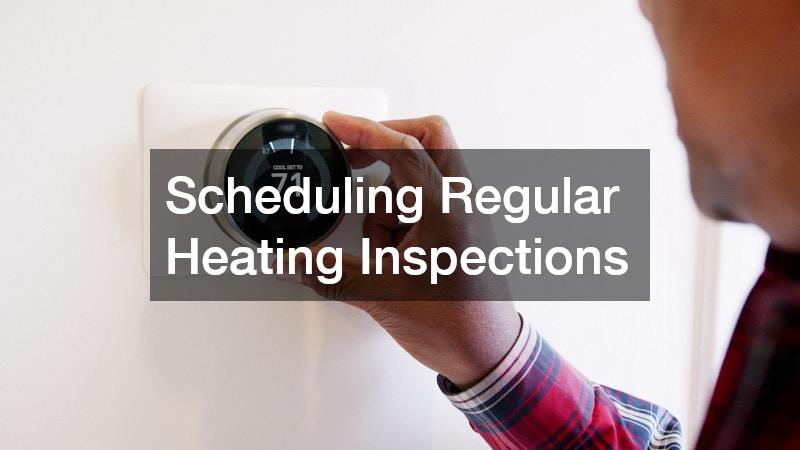
Routine heating inspections and furnace services are essential to detect problems before they escalate. A professional inspection should cover:
- Furnace performance and airflow evaluation
- Ductwork inspection for leaks or blockages
- Thermostat calibration and functionality
- Signs of wear or corrosion in components
Beyond detecting mechanical issues, inspections also highlight opportunities for efficiency improvements, such as replacing aging components or upgrading to more energy-efficient models. Seasonal maintenance ensures that your system is ready before peak heating periods, avoiding last-minute emergencies and high service fees. Homeowners should maintain a checklist for recurring tasks, including cleaning vents, changing filters, and checking carbon monoxide detectors, which are integral for both safety and efficiency.
Benefits of regular heating inspections include:
- Reduced energy consumption
- Early detection of component failures
- Extended system lifespan
- Enhanced indoor air quality
Maintaining Your Heat Pumps
Heat pumps are versatile systems that provide both heating and cooling. Proper maintenance ensures efficient operation and prevents unexpected malfunctions and prevents future heat pump repair. Key maintenance tasks include:
- Cleaning or replacing filters every 1–3 months
- Inspecting and cleaning coils for debris and buildup
- Checking refrigerant levels and pressure
- Ensuring the system is free of ice or obstructions during winter
Additional preventive measures include checking outdoor units for vegetation encroachment, debris, or snow accumulation, which can impede airflow and reduce efficiency. Homeowners should also schedule routine inspections with HVAC professionals to detect refrigerant leaks, electrical issues, or failing components early. Signs that a heat pump may require repair include unusual noises, uneven heating or cooling, or increased energy bills. Timely attention from a qualified HVAC company can prevent minor issues from escalating into major repairs.
Optimize Cooling Systems for Comfort and Efficiency
Air conditioning systems are critical for maintaining comfort during hot months. Neglecting cooling systems can lead to poor performance, higher energy costs, and potential health risks due to inadequate airflow or humidity control. Over time, debris accumulation in coils, duct leaks, and neglected refrigerant levels reduce cooling efficiency and increase wear on the system.
Seasonal Air Conditioning Service
Routine AC service before the cooling season helps ensure optimal performance. Recommended tasks include:
- Checking and adjusting refrigerant levels
- Cleaning evaporator and condenser coils
- Inspecting ductwork for leaks or blockages
- Calibrating thermostats and verifying airflow
- Examining electrical connections and components
Air conditioning contractors can provide a comprehensive inspection, identify potential issues, and perform preventive maintenance. Proper service improves system efficiency, reduces energy bills, and extends the life of the equipment. Seasonal inspections also allow for preventive adjustments to accommodate unusual weather patterns or increased usage.
Preparing for Extreme Weather
Extreme temperatures can strain cooling systems, increasing the risk of breakdowns. Homeowners can prepare by:
- Scheduling pre-season inspections to catch minor issues
- Cleaning and shading outdoor units to prevent overheating
- Sealing leaks in ductwork or around windows
- Ensuring adequate airflow around vents and registers
In addition, adding ceiling fans or improving insulation can reduce reliance on AC systems, decreasing energy consumption and wear. Implementing these measures reduces system stress, improves performance, and enhances indoor comfort even during heatwaves.
Protect Your Home’s Water Supply and Plumbing Systems
Water is a vital resource, and a reliable plumbing system is essential for comfort and safety. Proactive maintenance prevents leaks, water damage, and costly repairs. In addition to inspections, homeowners should monitor water usage patterns for sudden spikes, which could indicate hidden leaks or inefficiencies.
Routine Plumbing Maintenance
Regular plumbing inspections help identify issues such as corrosion, leaks, and worn connections. Key inspection points include:
- Supply lines, shutoff valves, and faucets
- Drainage systems and vent stacks
- Water pressure and flow rates
- Signs of corrosion or mineral buildup in pipes
Homeowners should schedule annual checkups with a licensed plumber to maintain optimal system performance. Preventive plumbing measures help avoid emergency repairs and protect indoor air quality from potential water damage. Simple tasks such as checking for dripping faucets, inspecting under sinks, and keeping drains clear of debris can prevent significant damage over time.
Ensuring Safe and Reliable Well Water
For homes relying on wells, maintaining the well pump is critical. Poorly maintained pumps can lead to inconsistent water supply, contamination, or mechanical failure. Best practices include:
- Inspecting well pumps for wear and corrosion
- Testing water pressure and flow regularly
- Cleaning filters and removing debris from the pump area
- Scheduling professional maintenance and repairs
Regular maintenance of well water systems ensures safe, clean water and reduces the likelihood of sudden failure. Homeowners should also consider testing water quality periodically, especially in areas prone to contamination. Well pump repair specialists can ensure that systems remain functional year-round, avoiding costly disruptions and protecting water quality.
Address Sewer and Drain Concerns Before They Become Emergencies
Sewer and drainage issues can lead to unpleasant odors, slow drains, and significant property damage. Timely inspections and maintenance are crucial.
Sewer Line Monitoring and Inspections
Sewer line camera inspections are a valuable tool for identifying clogs, cracks, root intrusion, and other issues that may not be visible. Benefits include:
- Accurate diagnosis without unnecessary digging
- Early detection of potential blockages or collapses
- Planning repairs before major backups occur
Professional plumbers can perform these inspections, recommend preventive strategies, and address issues promptly, reducing the risk of emergency repairs and water damage.
Preventative Drain and Pipe Maintenance
Homeowners can implement routine measures to minimize drainage issues:
- Avoid flushing non-biodegradable items or chemicals
- Periodically flush drains with safe cleaning solutions
- Maintain cleanouts and access points for inspection
- Schedule professional checkups for older homes
Proactive maintenance prevents clogs, reduces the likelihood of backups, and extends the life of plumbing infrastructure.
Maintain Your Water Heaters for Comfort and Efficiency
Water heaters are a core component of home comfort. Neglected units can reduce efficiency, increase energy costs, cause expensive water heater repair and cause unexpected cold showers or leaks.
Routine Water Heater Service
Water heater maintenance includes:
- Flushing the tank to remove sediment
- Inspecting anode rods for corrosion
- Testing pressure relief valves
- Monitoring for leaks or unusual noises
Energy-efficient upgrades, such as tankless water heaters, can reduce energy consumption and provide consistent hot water. Regular water heater services protect against damage, improve performance, and extend the lifespan of the system.
Keep Pools Safe, Clean, and Operational
Pools enhance recreation and property aesthetics but require diligent maintenance to remain safe and functional. Poor upkeep can lead to algae growth, chemical imbalances, and equipment failure.
Pool Maintenance Essentials
Key tasks include:
- Skimming debris, vacuuming, and cleaning surfaces
- Monitoring chemical levels: pH, chlorine, alkalinity
- Inspecting pumps, filters, heaters, and circulation systems
- Seasonal winterization and reopening to prevent freeze damage
Professional pool contractors can offer inspection, repair, and maintenance programs, ensuring compliance with safety regulations and reducing long-term costs. Scheduled maintenance prevents costly emergency repairs and keeps water safe for swimmers.
Protect Outdoor Surfaces and Enhance Curb Appeal
Driveways, walkways, and patios are essential for safety and property aesthetics. Poorly maintained surfaces can create hazards and accelerate deterioration.
Routine Driveway and Walkway Care
Effective maintenance includes:
- Filling cracks and resurfacing when needed
- Grading to prevent water pooling
- Inspecting for erosion, settlement, or surface wear
Professional paving companies can ensure proper installation, durable repair, and surface longevity. Services may include:
- Asphalt or concrete sealing to protect against water and UV damage
- Custom grading for drainage and accessibility
- Long-term planning to reduce ongoing maintenance
Well-maintained paved surfaces improve safety, reduce liability, and enhance curb appeal.
Integrate Metal Roof Repair with Overall Exterior Maintenance
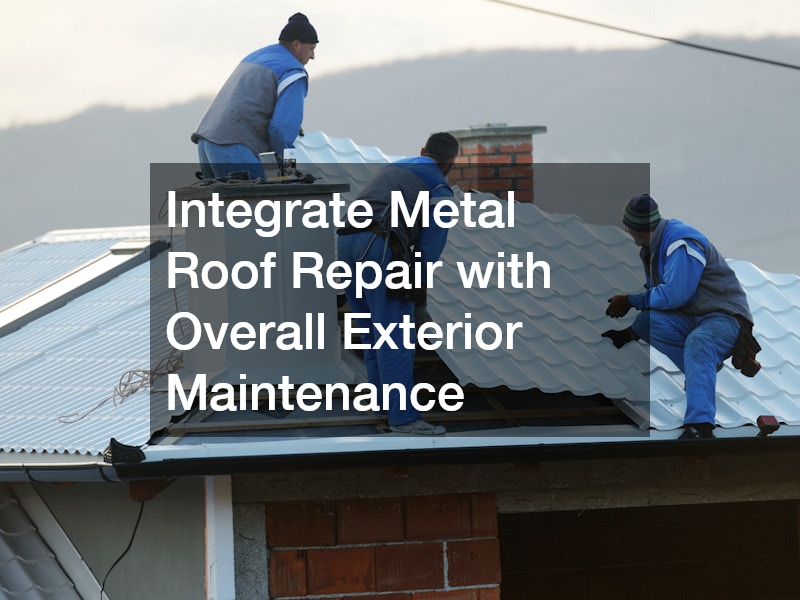
Metal roofs are durable but require specialized care to prevent leaks, rust, and structural damage. Proactive maintenance preserves both functionality and appearance.
Metal Roof Maintenance Tips
Essential steps include:
- Checking panels for dents, loose fasteners, or rust spots
- Promptly repairing minor leaks to prevent escalation
- Coordinating with gutter or painting services to prevent water intrusion
- Cleaning debris and inspecting for corrosion
Regular metal roof repair reduces long-term costs, protects interior spaces, and extends the roof’s lifespan.
Creating a Comprehensive Property Maintenance Schedule
Coordinating inspections, maintenance, and repairs ensures all home systems work together efficiently, reducing emergency costs and extending the life of critical infrastructure.
Building an Integrated Maintenance Calendar
Key elements of a coordinated schedule:
- Annual coverage for HVAC, plumbing, water heaters, pools, sewer, and roofing
- Assigning responsibilities for inspections, maintenance, and follow-up
- Seasonal adjustments for irrigation, landscaping, and exterior surfaces
- Tracking service history for accountability and planning
Benefits of a Cohesive Strategy
- Lower emergency repair expenses
- Longer lifespan of equipment and structural components
- Improved occupant safety and satisfaction
- Enhanced property value and market appeal
By following a strategic maintenance plan, homeowners can proactively manage their resources, anticipate potential problems, and ensure their property remains safe, efficient, and attractive.
Conclusion
Maintaining a home requires attention to a wide range of systems, from HVAC and plumbing to water heaters, pools, roofing, and outdoor surfaces. Proactive inspections, routine maintenance, and professional support reduce the risk of costly emergencies, improve energy efficiency, and extend the life of key systems.
Homeowners who integrate HVAC servicing, furnance services, plumbing care, well pump maintenance, sewer line monitoring, water heater inspections, pool upkeep, paving care, and metal roof repairs into a structured, year-round schedule enjoy consistent comfort, safety, and performance. Working with qualified professionals—including plumbers, air conditioning contractors, pool contractors, roofing contractors, and paving companies—ensures expert service and long-term reliability.
A coordinated approach allows for better budgeting, fewer unexpected repairs, and a home that remains comfortable and functional in every season. By investing in preventative care and strategic maintenance, homeowners protect their property, enhance aesthetics, and maximize long-term value.