Energy efficiency is more than just a buzzword; it’s a practical way to save money, improve comfort, and reduce your environmental footprint. Small adjustments and thoughtful upgrades can dramatically impact utility bills and overall home performance. From updating insulation to installing smart devices, there are numerous ways homeowners can make their homes more energy-conscious. In this guide, we explore ten energy-efficient upgrades that can benefit your home today and for years to come.

1. Upgrade Your Kitchen Appliances and Accessories
Modern kitchen appliances are designed to deliver better performance while using significantly less energy than older models. Replacing outdated refrigerators, ovens, and dishwashers with Energy Star-certified alternatives can immediately reduce electricity consumption. In addition, updating smaller kitchen accessories, such as LED under-cabinet lighting, smart faucets, and programmable outlets, ensures that your kitchen is both functional and energy-efficient. Even items like energy-efficient coffee makers and microwaves contribute to lower overall power usage over time.
Beyond appliances, simple habits can make a difference. Regularly cleaning appliance coils, checking door seals, and using appliances efficiently can extend their lifespan and reduce energy demand. Integrating smart home devices allows you to monitor usage patterns and reduce unnecessary electricity consumption. By combining high-efficiency appliances with energy-smart behaviors, homeowners can create a kitchen that’s not only modern but also environmentally friendly.
2. Improve Home Insulation and Ventilation
Proper insulation and ventilation are among the most effective ways to increase energy efficiency in a home. Attics, walls, and basements often have gaps or insufficient insulation that result in significant heat loss during winter or unwanted heat gain in summer. By upgrading insulation in these areas, homeowners can maintain consistent indoor temperatures, reduce HVAC workload, and cut energy costs. Additionally, proper ventilation prevents moisture buildup and promotes air circulation, which improves overall comfort.
Even minor improvements, such as sealing cracks around doors, windows, and vents, can make a noticeable difference. Professional septic service companies sometimes provide insight into areas around plumbing systems that require insulation, reducing energy loss while protecting the system from temperature fluctuations. Combined, these measures not only conserve energy but also enhance indoor air quality and create a more comfortable, healthy living space.
3. Install Energy-Efficient Windows and Doors
Windows and doors are major points of energy loss in most homes. Installing double- or triple-pane windows with low-emissivity (Low-E) coatings can significantly reduce heat transfer, keeping your home warmer in winter and cooler in summer. Energy-efficient doors, combined with proper weather stripping and sealing, prevent drafts and maintain consistent indoor temperatures. These upgrades are particularly effective when paired with other insulation improvements, forming a holistic energy-saving strategy.
A local painter can help by ensuring window frames and doors are properly sealed and finished with reflective or light-colored paint to reduce heat absorption. Proper maintenance of these areas, including timely repainting and sealing, extends their lifespan and prevents energy loss. By investing in high-quality windows and doors, homeowners can see reduced heating and cooling costs while enhancing the home’s overall appearance.
4. Optimize Plumbing and Water Heating
Water heating is a major contributor to household energy consumption. Upgrading to tankless or high-efficiency water heaters reduces energy usage by heating water only as needed. Coupled with low-flow showerheads, faucets, and dual-flush toilets, these improvements can result in substantial energy and water savings over time. Additionally, insulating hot water pipes minimizes heat loss and improves overall system efficiency.
A professional local plumber can inspect your system to identify leaks, inefficient piping, or outdated fixtures that waste energy. Regular maintenance of plumbing systems ensures that water is delivered efficiently and at the proper temperature, reducing the energy needed to heat it. Homeowners who combine high-efficiency water heating with plumbing optimization enjoy lower utility bills, improved comfort, and a smaller environmental footprint.
5. Upgrade Exterior Surfaces for Reflectivity
Your home’s exterior plays a key role in managing energy usage. Surfaces that absorb too much heat can increase cooling costs during warmer months. Using light-colored siding, reflective roofing materials, and properly sealed concrete surfaces can reduce heat absorption and improve indoor comfort. Regular power washing service helps restore reflective surfaces by removing dirt, grime, and algae that compromise their energy-saving properties.
Beyond aesthetics, maintaining reflective and clean exterior surfaces contributes to long-term energy efficiency. Homeowners can also add exterior shading elements, such as awnings or trellises, to further reduce solar heat gain. By focusing on exterior upgrades and maintenance, your home becomes naturally cooler in summer and more energy-efficient year-round, reducing strain on air conditioning systems.
6. Maintain Your Roof and Gutters
A well-maintained roof is critical for insulation and energy efficiency. Cool roofing materials and proper attic insulation reflect heat and prevent unnecessary energy loss. Routine inspections and timely repairs ensure that your roof remains in good condition and functions as an effective barrier against weather-related temperature fluctuations. Proper attic ventilation also helps maintain consistent temperatures throughout your home.
A professional roofing contractor can assess your roof for leaks, insulation gaps, and other energy-compromising issues. Cleaning gutters and removing debris ensures proper water drainage and prevents damage that could reduce your roof’s efficiency. Regular maintenance of roofing and gutter systems is a simple, cost-effective way to optimize energy use while protecting the home’s structure.
7. Consider Energy-Efficient Outdoor Features
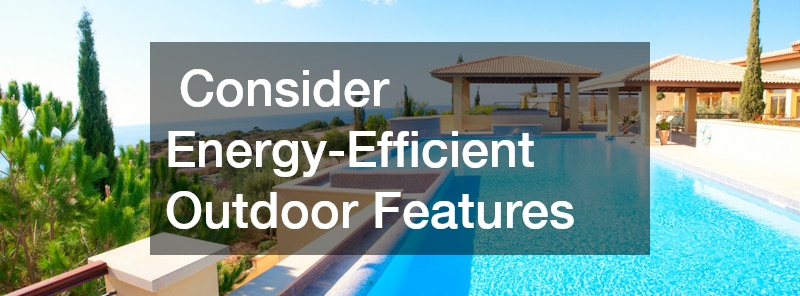
Outdoor features such as pools, patios, and landscaping can have a significant impact on energy consumption. Pools, for instance, can be energy-intensive, but installing energy-efficient pumps, heaters, and covers reduces electricity use dramatically. Thoughtful landscaping, such as planting trees for natural shade, can lower cooling costs for adjacent areas of your home.
An in ground pool company can advise on energy-saving technologies, including variable-speed pumps and solar heating systems. Incorporating these measures ensures that outdoor features remain enjoyable without causing a spike in energy costs. By combining efficient technology with smart landscaping, homeowners can achieve a more sustainable and energy-conscious outdoor environment.
8. Upgrade Your Driveway, Walkways, and Patios
Concrete and other hardscape surfaces, such as asphalt and stone, play a significant role in the energy efficiency of a building environment due to their inherent properties of heat absorption and retention. These materials naturally absorb heat from the sun throughout the day, making the surrounding air warmer and increasing the reliance on air conditioning systems to maintain comfortable indoor temperatures. However, opting for light-colored or reflective concrete materials can significantly alleviate this issue. These types of materials possess higher solar reflectance, meaning they effectively reflect solar energy instead of absorbing it. By doing so, they minimize heat gain in the vicinity, which in turn reduces the stress and load on cooling systems, leading to potential energy savings and decreased electricity costs. Moreover, the benefits of reflective hardscapes extend beyond just cost-saving; they contribute to the reduction of the urban heat island effect, where urban areas become significantly warmer than their rural surroundings. This is a vital consideration in city planning and building design, as it affects local climate and air quality. To maximize the longevity and efficiency of these benefits, regular maintenance of concrete surfaces is crucial. Practices such as sealing surfaces and repairing cracks not only preserve the integrity and appearance of these materials but also ensure that their energy-efficient properties are retained over time. This attention to detail helps sustain their potential in contributing to energy conservation efforts.
Engaging a concrete company can be instrumental for property owners who wish to guarantee the appropriate installation and long-term maintenance of reflective or insulated surfaces. These professionals possess the expertise required to design and construct patios, walkways, driveways, and other outdoor features that are not only aesthetically pleasing but also serve to lessen the negative impacts of heat accumulation. Properly constructed hardscapes contribute to mitigating the urban heat island effect by lowering ambient air temperatures and promoting a comfortable outdoor environment. This enhancement in surface design not only benefits energy use by reducing air conditioning dependency but also provides improved safety by minimizing heat-caused distortions or damages, such as cracks, that could pose hazards. Furthermore, incorporating such materials can boost a home’s overall energy performance by keeping the interior conditions more stable without excessive reliance on HVAC systems. By implementing small, strategic changes in the choice of outdoor surface materials, property owners can achieve notable advantages, ranging from reduced energy costs and environmental impacts to elevated curb appeal and property value. This harmonious blend of aesthetic value and functional efficiency truly underscores the potential for hardscapes to significantly improve both personal and environmental well-being.
9. Keep Your Roof Clean and Inspected
Algae, moss, and debris accumulation on roofs can significantly reduce their ability to reflect sunlight, leading to insulation problems and consequently increasing energy consumption. When these natural and man-made contaminants build up, they create a layer that traps heat, causing the interior of your home to heat up more quickly. This results in your cooling systems, such as air conditioners, having to work overtime to maintain a comfortable indoor environment, thus increasing energy bills. Routine roof cleaning is an essential maintenance task that effectively and safely removes this buildup. By doing so, it restores your roof’s capability to reflect sunlight, stabilizing indoor temperatures and enhancing comfort. Moreover, clean roofs not only enhance energy efficiency but also extend the lifespan of the roofing materials. This enduring cleanliness delays the onset of deterioration, preventing costly repairs, and ultimately adding both efficiency and longevity to your roofing investment.
Regular inspections, when combined with professional cleaning services, offer homeowners the advantage of identifying minor issues before they develop into major, cost-intensive problems. During these inspections, professionals can spot early signs of wear and tear or damage that could compromise the roof’s integrity. Tackling these issues early means they can be addressed quickly with minimal expense and effort. By maintaining a clean, debris-free roof, your home remains not only energy-efficient but also comfortable and visually appealing. The aesthetics of a well-maintained roof contribute to the overall beauty of your home, enhancing curb appeal. Consistent upkeep is crucial in contributing significantly to long-term energy savings, as it ensures the roofing structure performs at its best, preventing heat loss in the winter and excessive heat gain in the summer. This proactive approach to maintenance deters future structural damage, ensuring your roof remains a protective barrier against the elements for years to come.

10. Upgrade Flooring for Comfort and Efficiency
Flooring materials play a significant role in the overall temperature regulation and energy efficiency of indoor environments. The selection of floors with proper insulation or reflective properties can have a profound effect on how comfortably a space maintains its temperature. These characteristics help minimize the dependence on mechanical heating and cooling systems, thus contributing to a more sustainable and efficient home environment. By opting for energy-efficient flooring materials, homeowners can not only ensure a pleasant and consistent indoor climate but also enjoy a reduction in their utility bills. This choice aids in enhancing the comfort of the home while simultaneously serving as a financial advantage by cutting down on energy consumption.
Choosing professional vinyl flooring installation is one practical approach to achieving energy-saving gains within the home. Vinyl flooring of high quality, particularly designs incorporated with thermal insulating properties, can be especially effective. Such floors are adept at retaining heat during the chilly winter months, thereby providing a cozy indoor atmosphere without over-reliance on heaters. Conversely, in the sweltering summer heat, these floors help in maintaining cooler indoor temperatures, offering a refreshing and energy-efficient relief from air conditioning. By installing now less common but highly advantageous energy-conscious flooring throughout the house, homeowners invest in long-term comfort, sustainability, and energy efficiency. This not only results in a healthier living space but also promotes a more cost-effective means of managing energy use over time, making homes better for both residents and the environment.
Energy-efficient upgrades are a worthwhile investment for any homeowner. Addressing appliances, insulation, roofing, plumbing, and outdoor surfaces reduces utility costs, improves comfort, and increases property value. By implementing these upgrades, homeowners can create a more sustainable home that saves money, enhances comfort, and supports environmental responsibility for years to come.